



- Specialist Areas
- Wards
- Treatment
- Rehabilitation
- Patient Handling
- Overhead Hoist for Rehab

- Ceiling⁄Overhead Track Hoist
- Ceiling Hoist Free Standing System
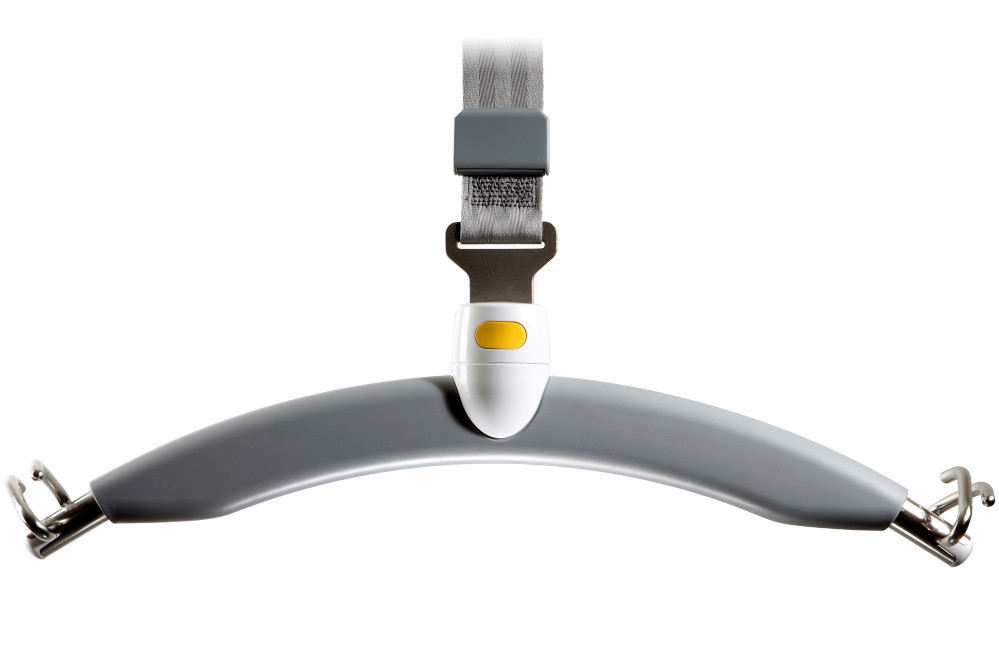
- Guldmann Hangers, Scales
- Homecare Hoist
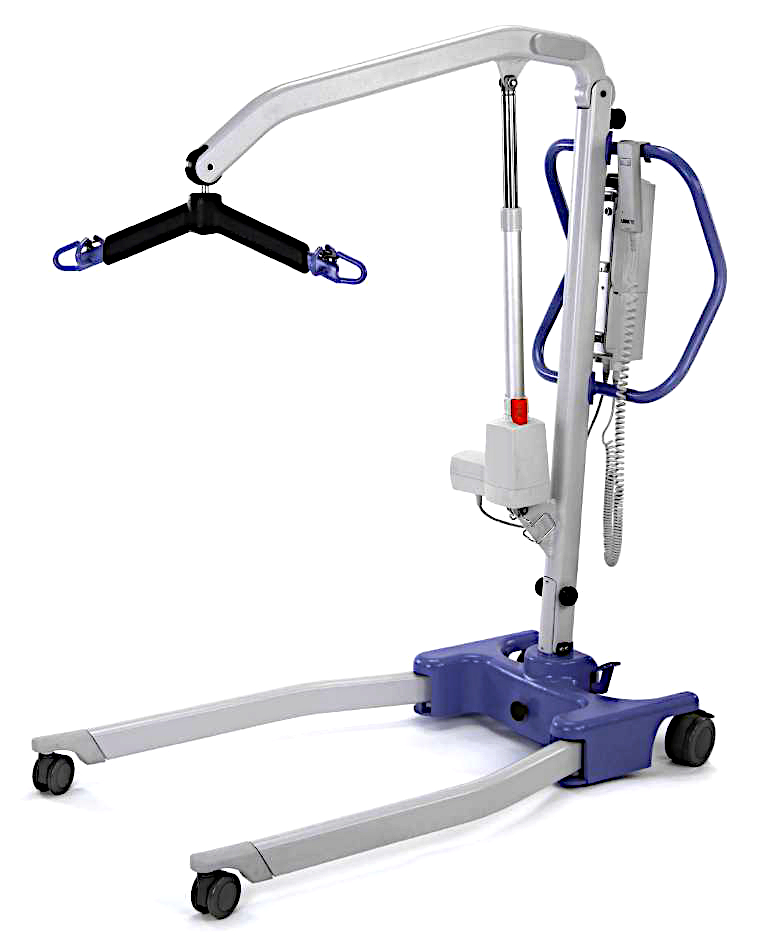
- Patient Hoist
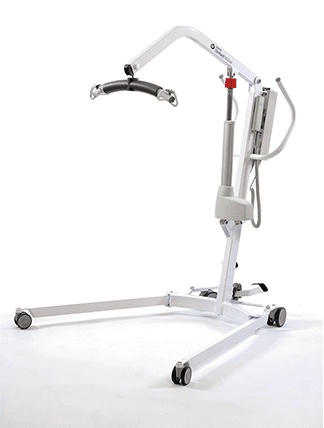
- Institution Patient Hoist
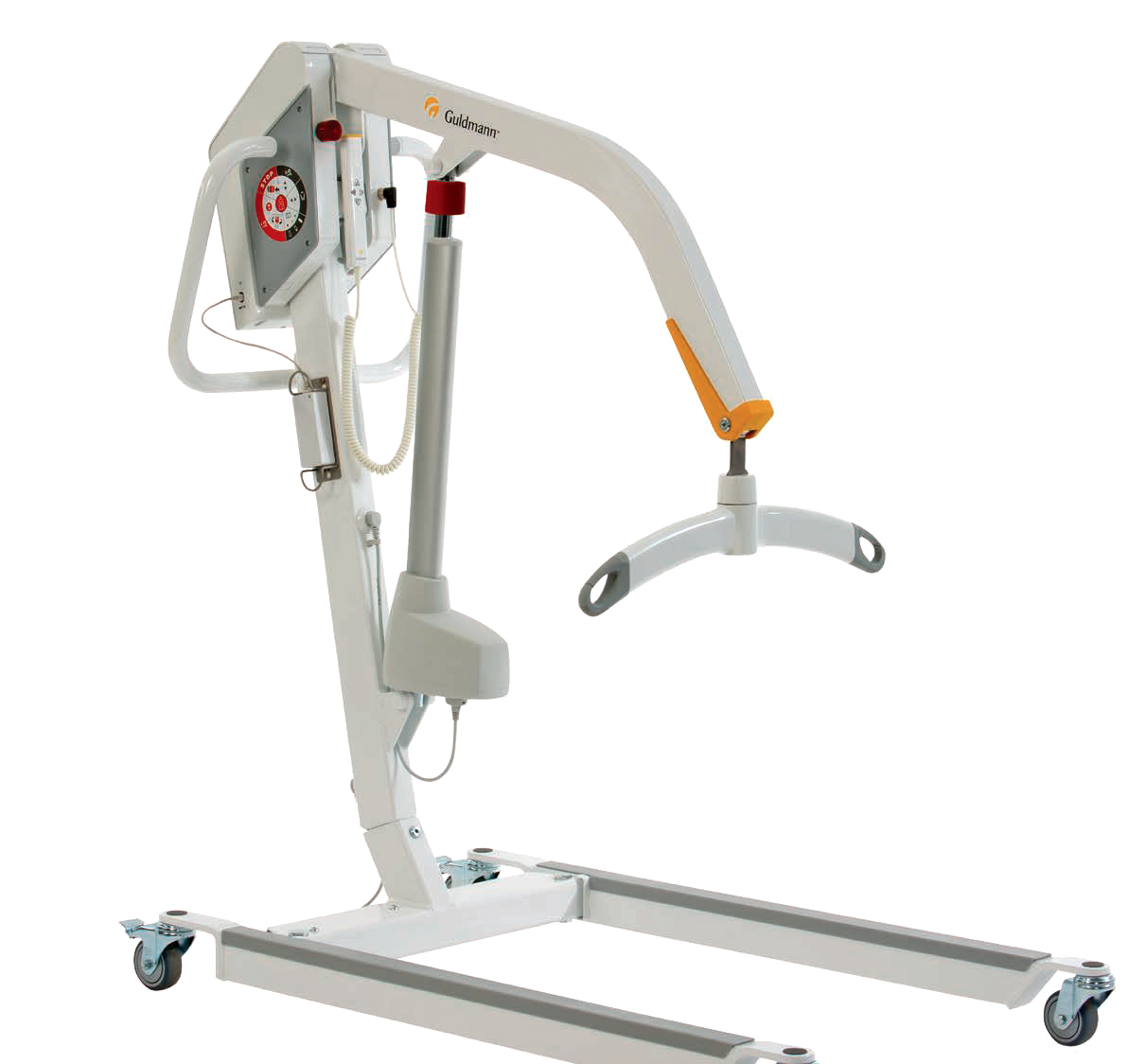
- Bariatric Patient Hoists
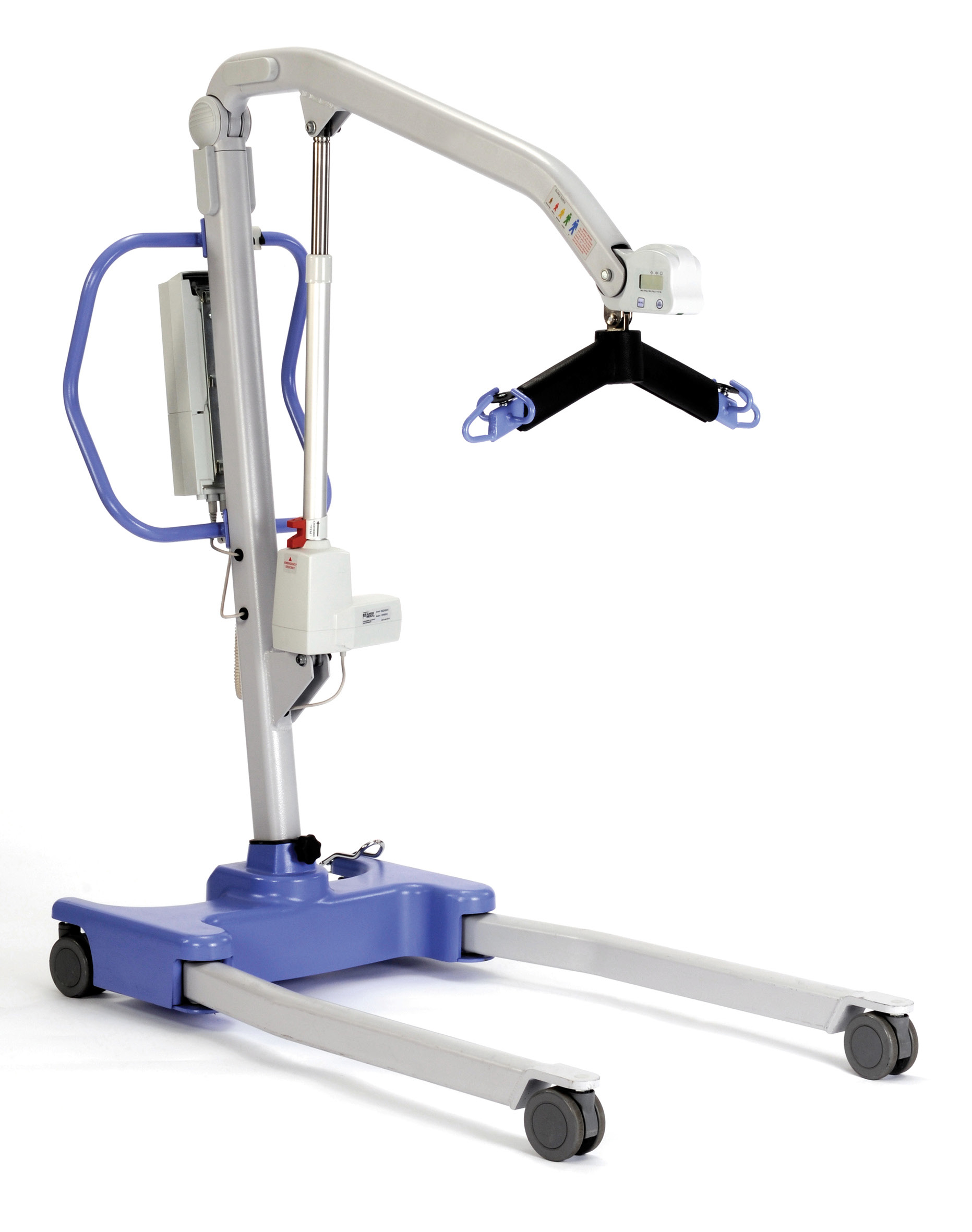
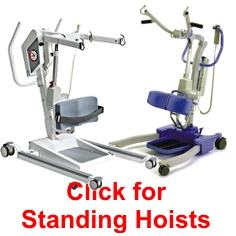
- Patient Standing Hoists
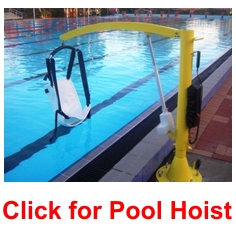
- Pool Hoist
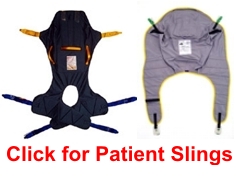
- Patient Slings
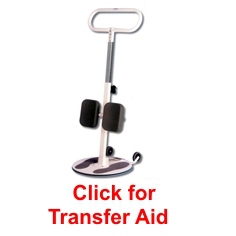
- Patient Transfer Aids
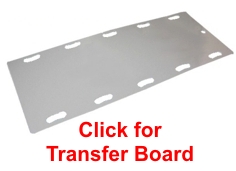
- Patient Transfer Board
- Transfer Glides

- Moving Aids
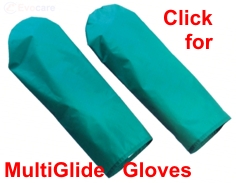
- Positioning Gloves
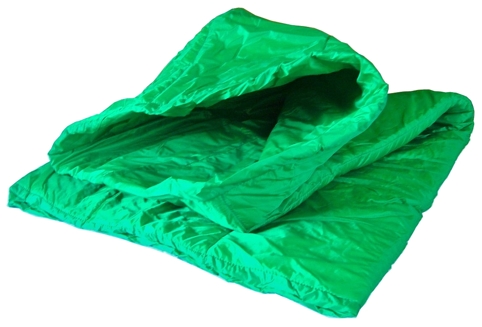
- Slide Sheets
- Overhead Hoist for Rehab
- Patient Mobility
- Miscellenous
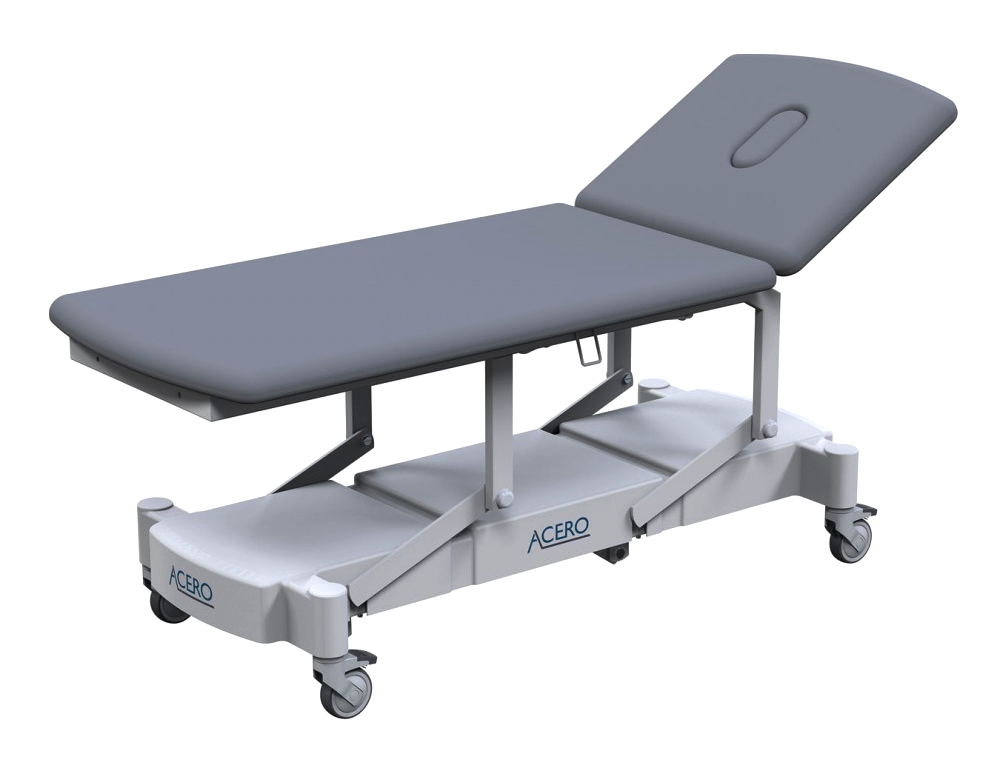
- Examination Couch (Electric)
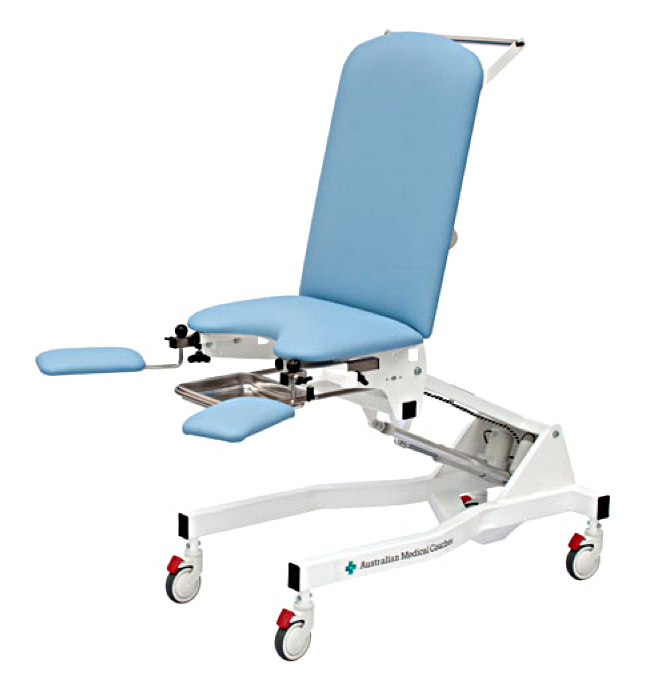
- Gynaecology Chair ⁄ Couch
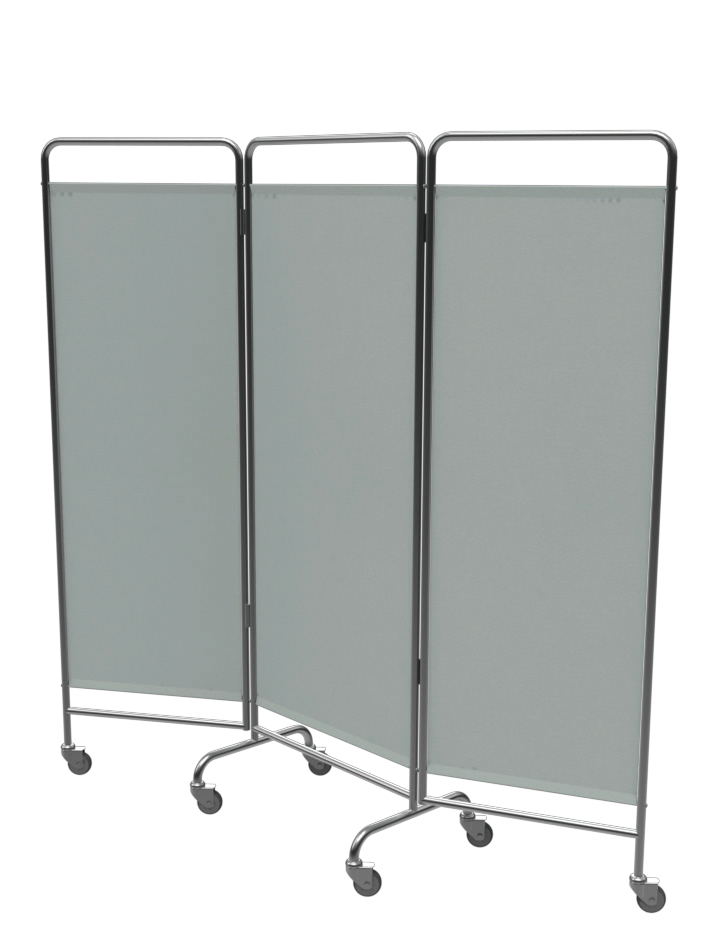
- Folding Mobile Screen
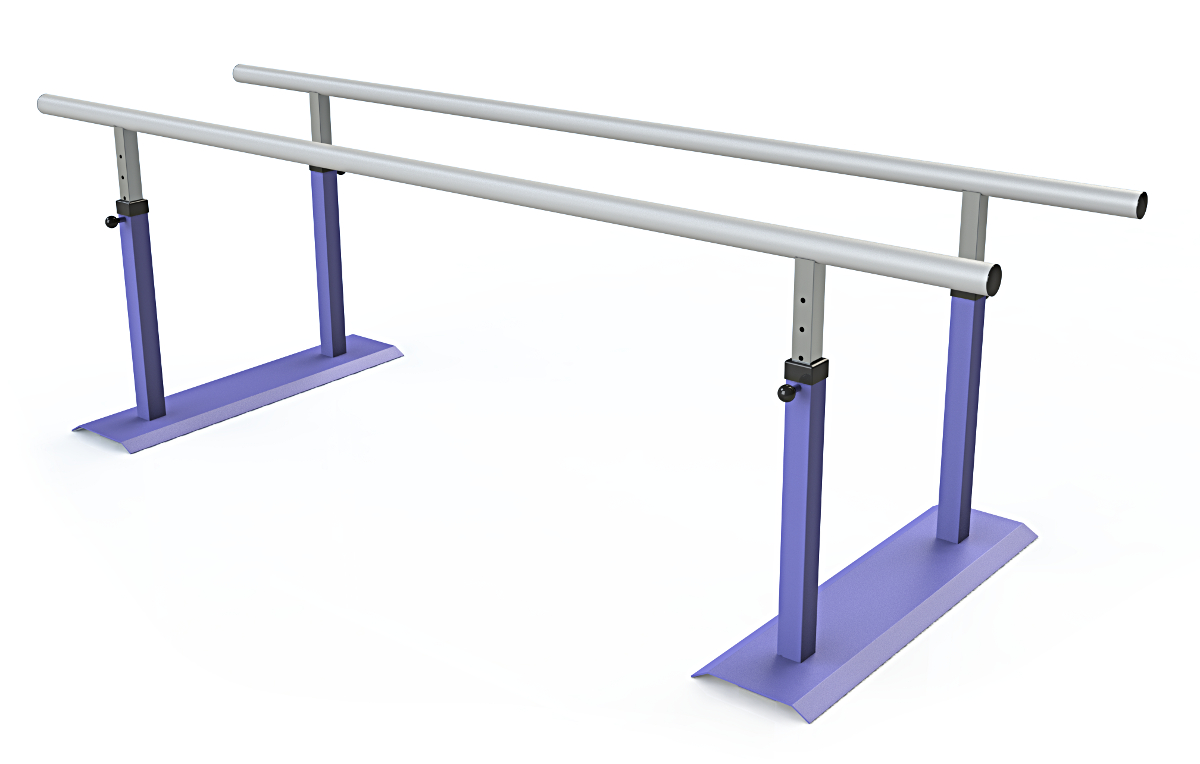
- 4H Parallel Bars
- Rehab Therapy Stairs
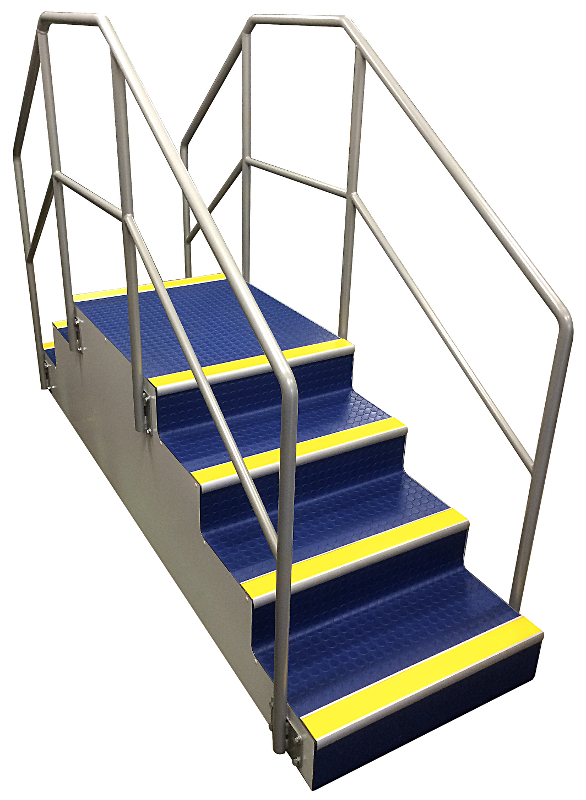
- Exercise Band
- etac Daily Living Aids – Personal

- etac Daily Living Aids – Household

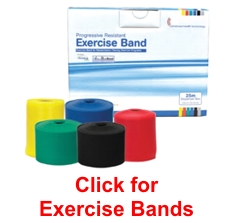
- Grab Rails
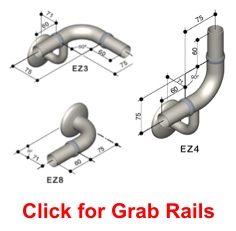
- Bed ⁄ Chair Raiser System
- Active Pressure Care Overlays, Mattresses & Cushions

- Shower Stools
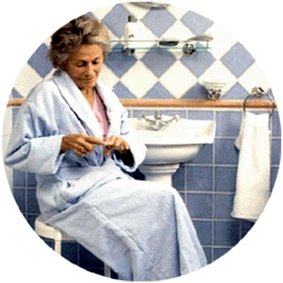
- Examination Couch (Electric)
- Patient Handling
- Storage
- Acute, Aged, Home
- Beds
- Care Bed Range
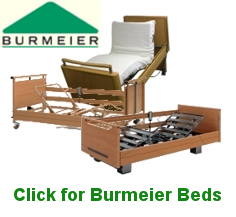
- Basano Floorline Bed
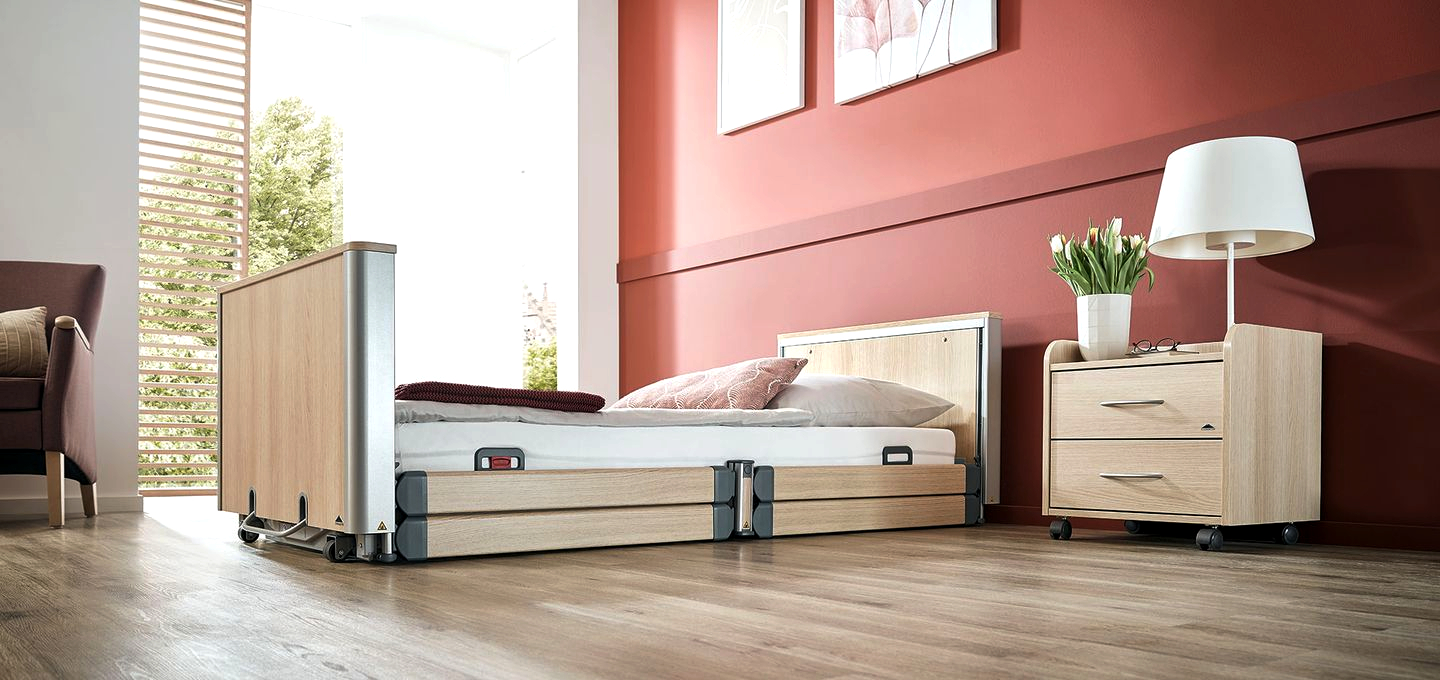
Click for Basano
Floorline Bed - Lenus Floor Level Bed
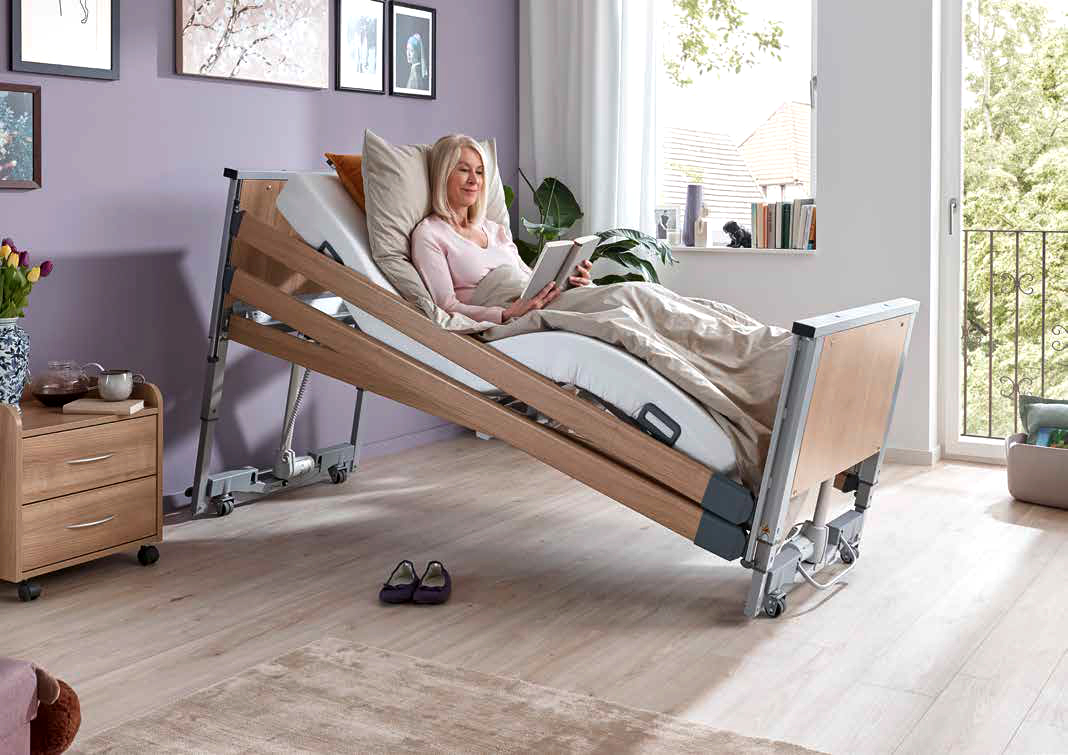
Click for Lenus
Floor Level Bed - Libra Care Bed
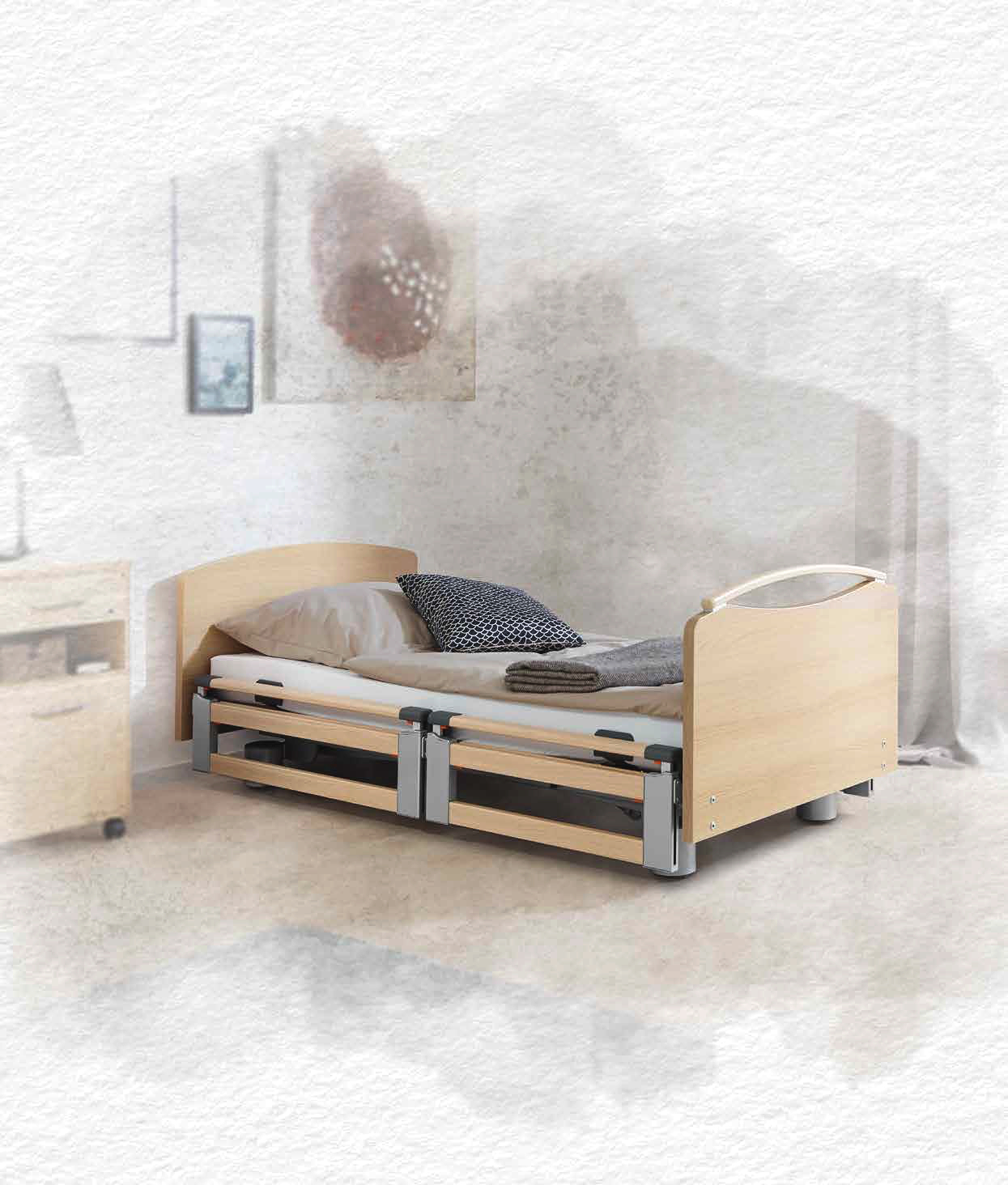
Click for
Libra Care Bed - Dali Nursing Care Bed
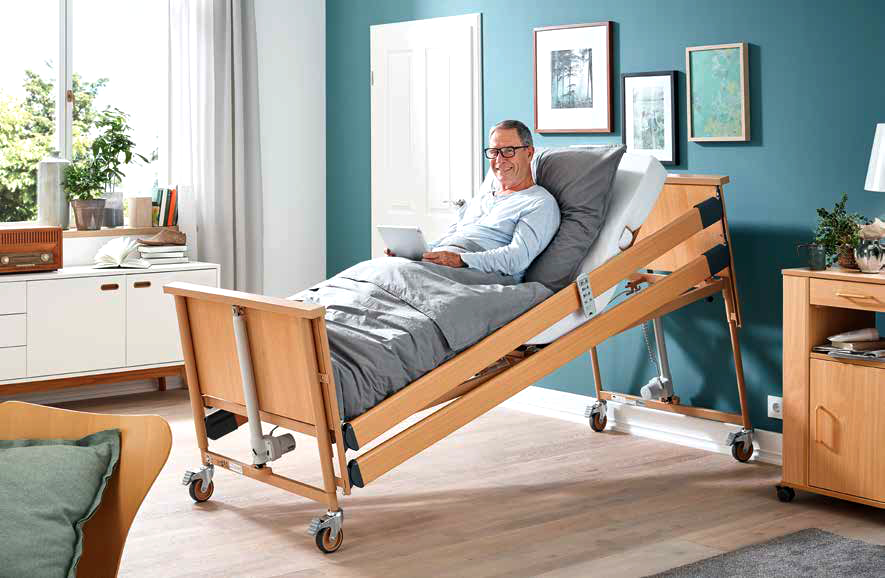
Click for
Dali Nursing Care Bed - Westfalia Klassik Care Bed
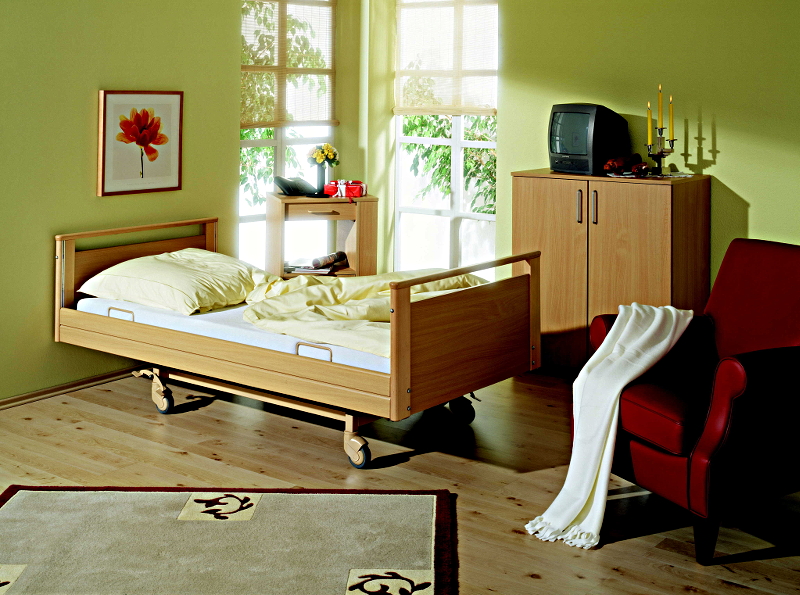
Click for Westfalia
Klassik Care Bed - Elvido–Vervo Care Bed
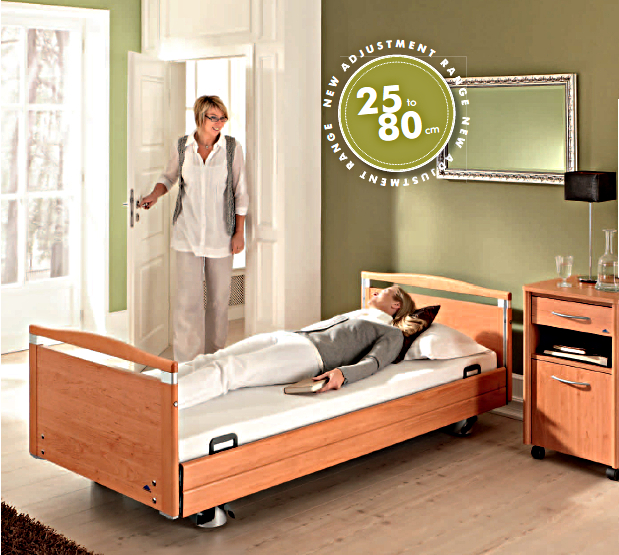
Click for
Elvido–Vervo Care Bed - Allura II Care Beds
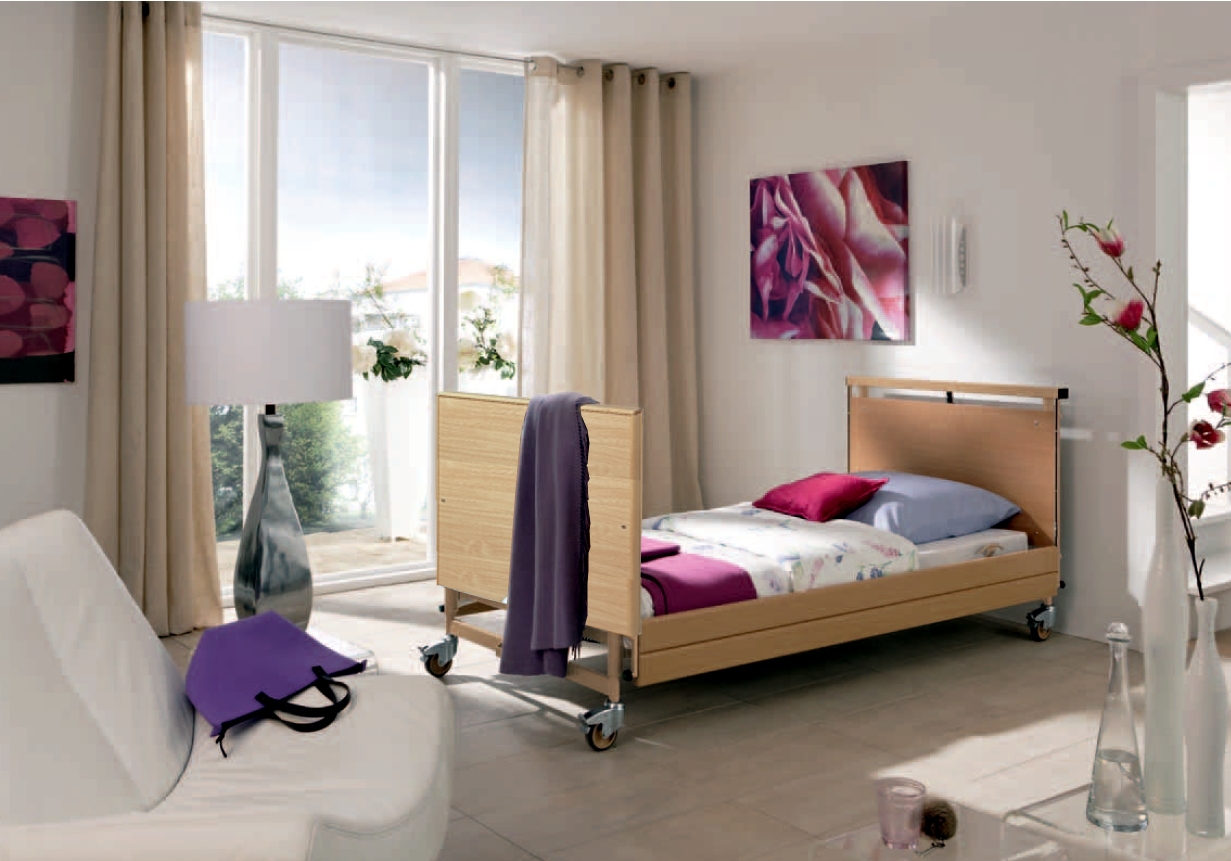
Click for
Allura II Care Bed - Inovia Care Beds
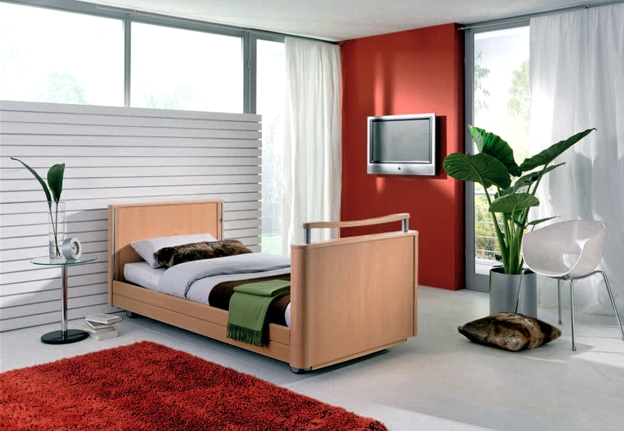
Click for
Inovia Care Bed - Relax Domestic Bed
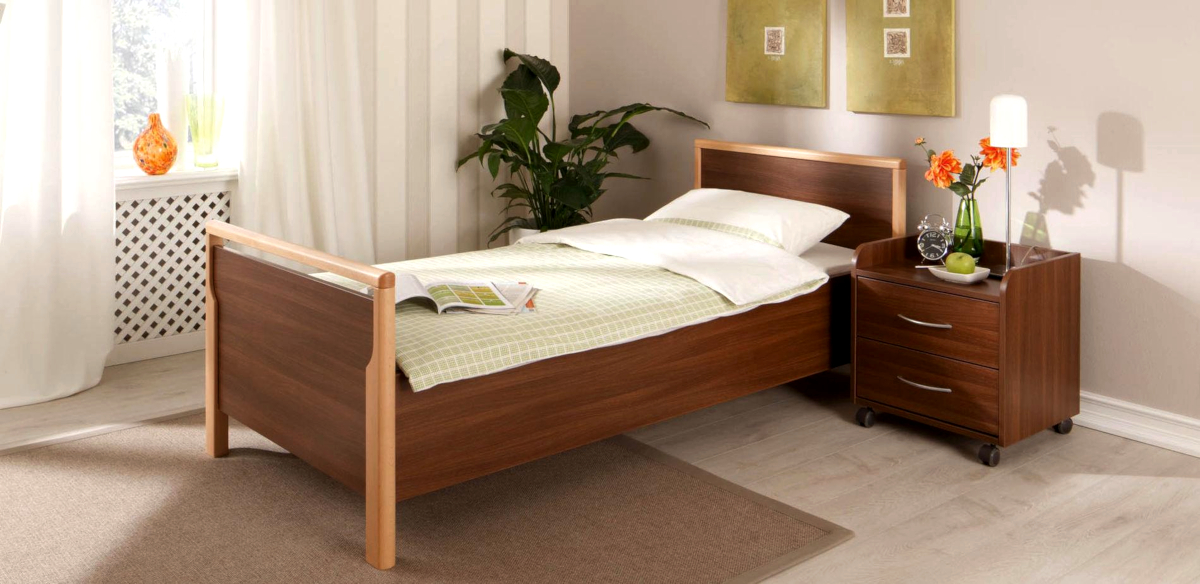
Click for Relax ⁄ Lippe
Domestic Bed - Elvido Forto Care Bed
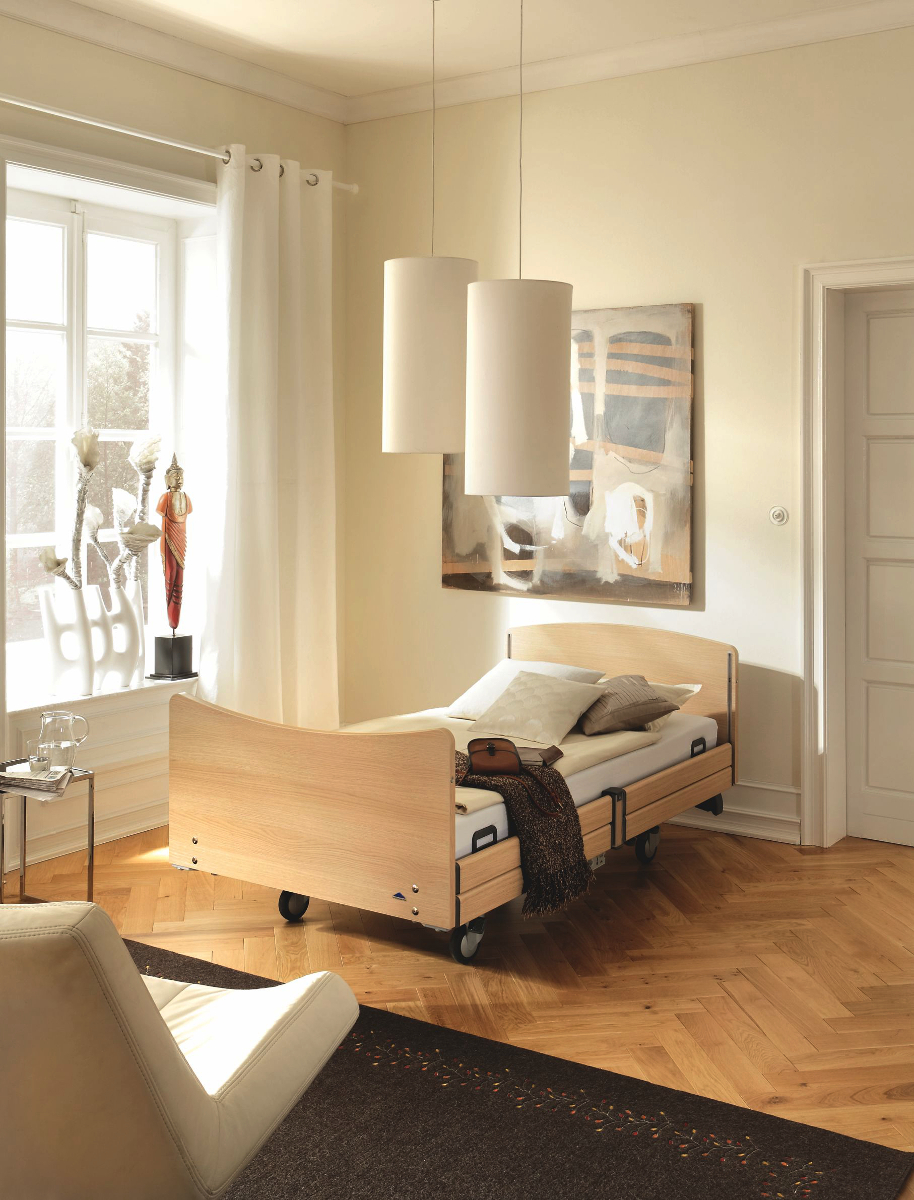
Click for Elvido Forto High SWL Bed - Gigant Heavy Duty Care Bed
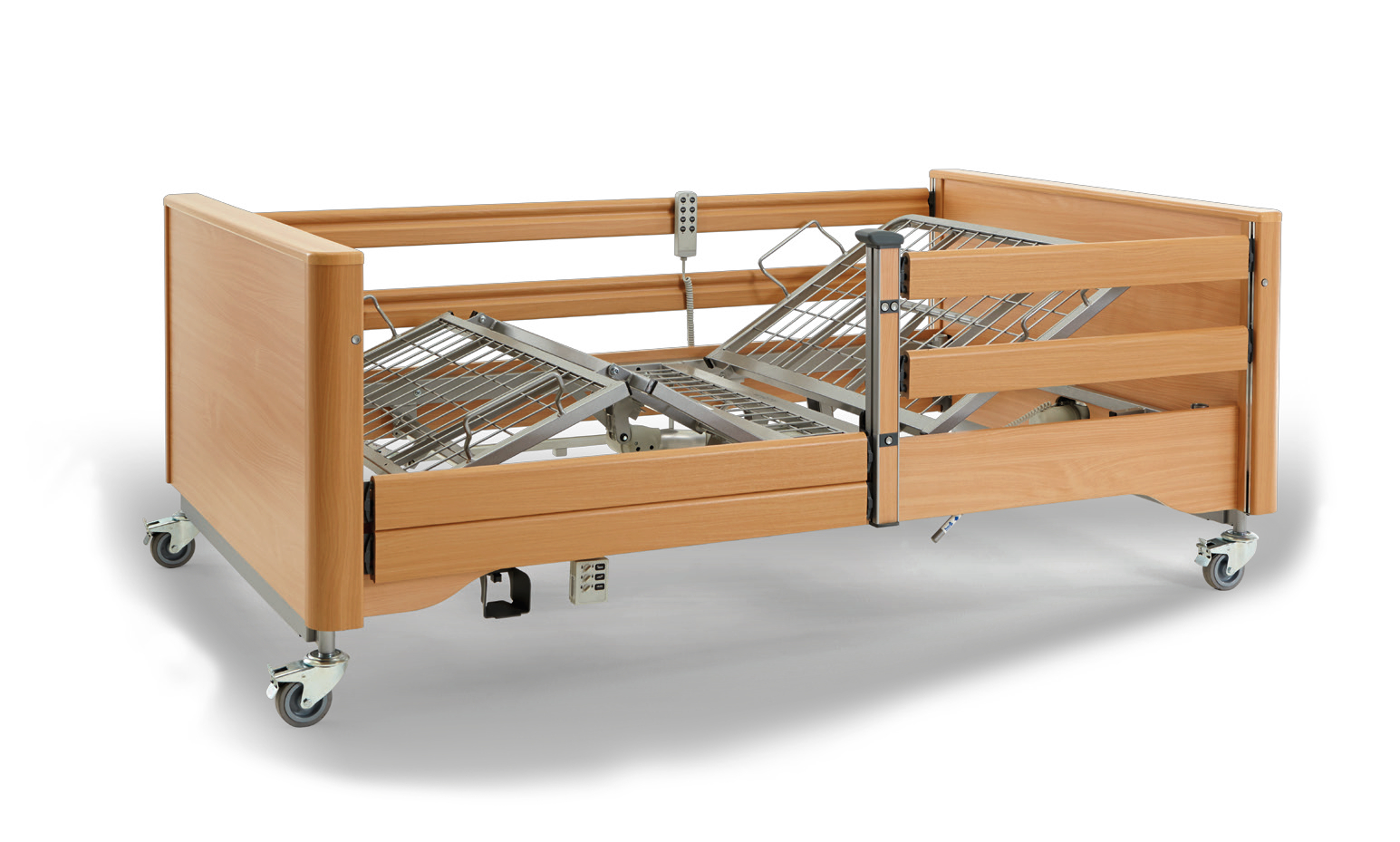
Click for Gigant
Heavy Duty Care Bed - Burmeier Bed Accessories
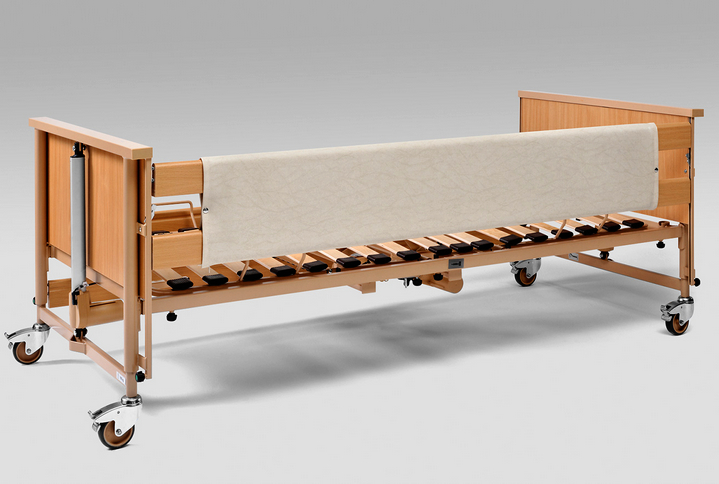
Click for
Burmeier Bed Accessories - Stiegelmeyer Bed Accessories
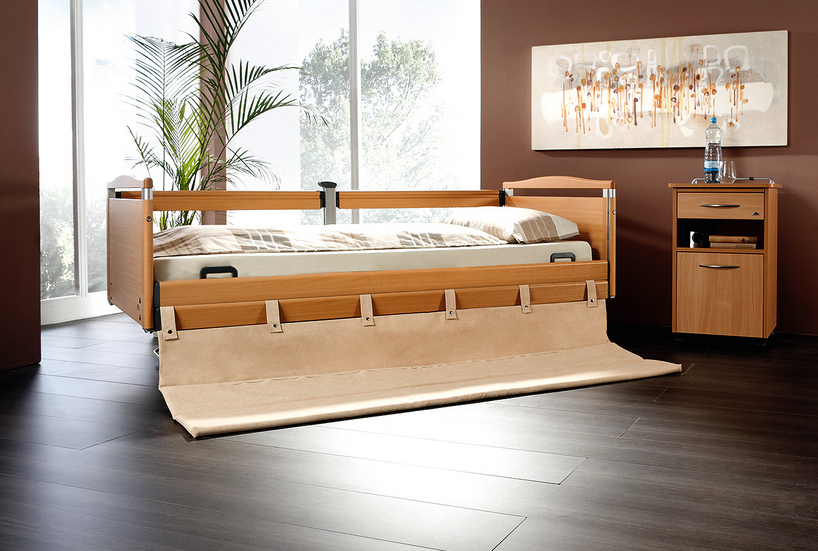
Click for
Stiegelmeyer Bed Accessories - Care Bed Spare Parts
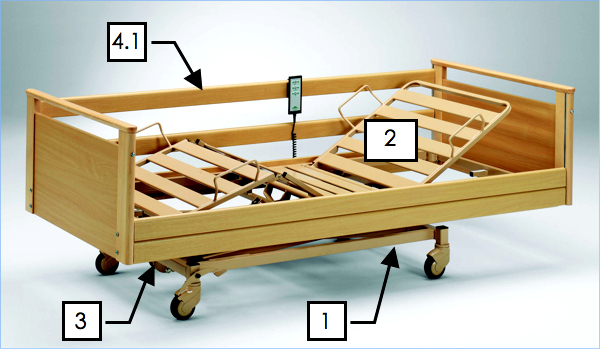
Click for
Care Bed Spare Parts
- Basano Floorline Bed
- Mattresses & Accessories
- Bedside Cabinets
- Wire Holders for the Bed
- Bedroom
- Care Bed Range
- Examination
- Treatment
- TENS+EMS Stimulators
- 4H Parallel Bars
Click for Parallel Bars - Exercise Bands
- Exercise Tubing

- Patient Weigh Scales
- Patient Wheelchair Scales
- Measuring Height & Girth
- X–Ray Viewers

- Medication Carts
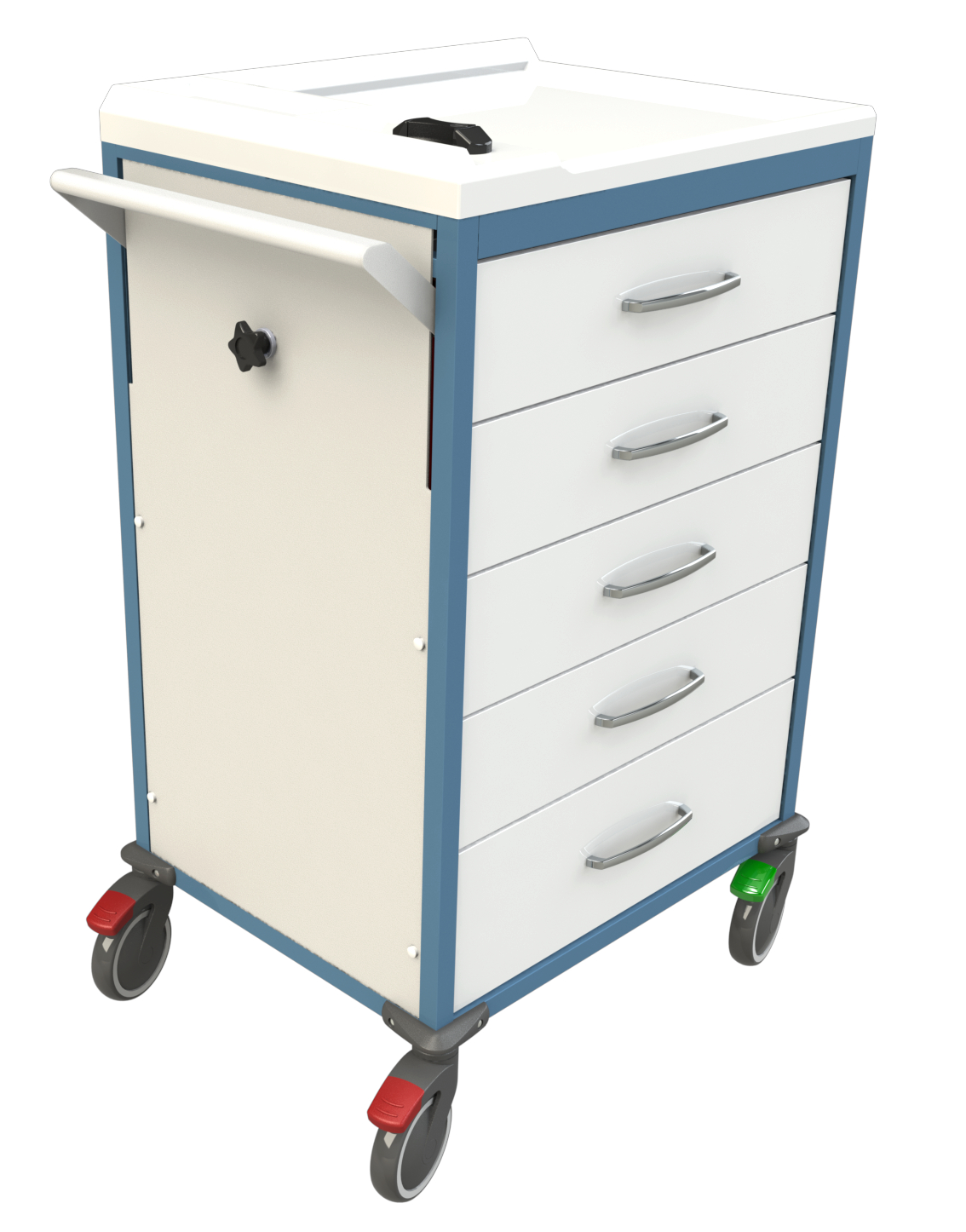
Click for Medication Carts - Examination Couch (Electric)
Click for Examination Couch - Gynaecology Chair ⁄ Couch
Click for Gynaecology Chair ⁄ Couch
- TENS+EMS Stimulators
- General Ward
- Primary Care
- Treatment
- Cleaning
- Dirty Utility Room
- Laundry & Cleaning
- Soiled Linen Trolleys (Skips)
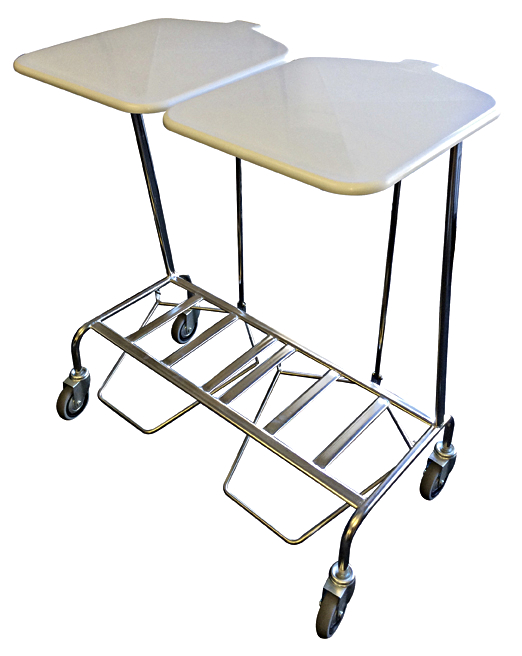
Click for Soiled
Linen Trolleys - Garbag Waste Trolleys & Holders
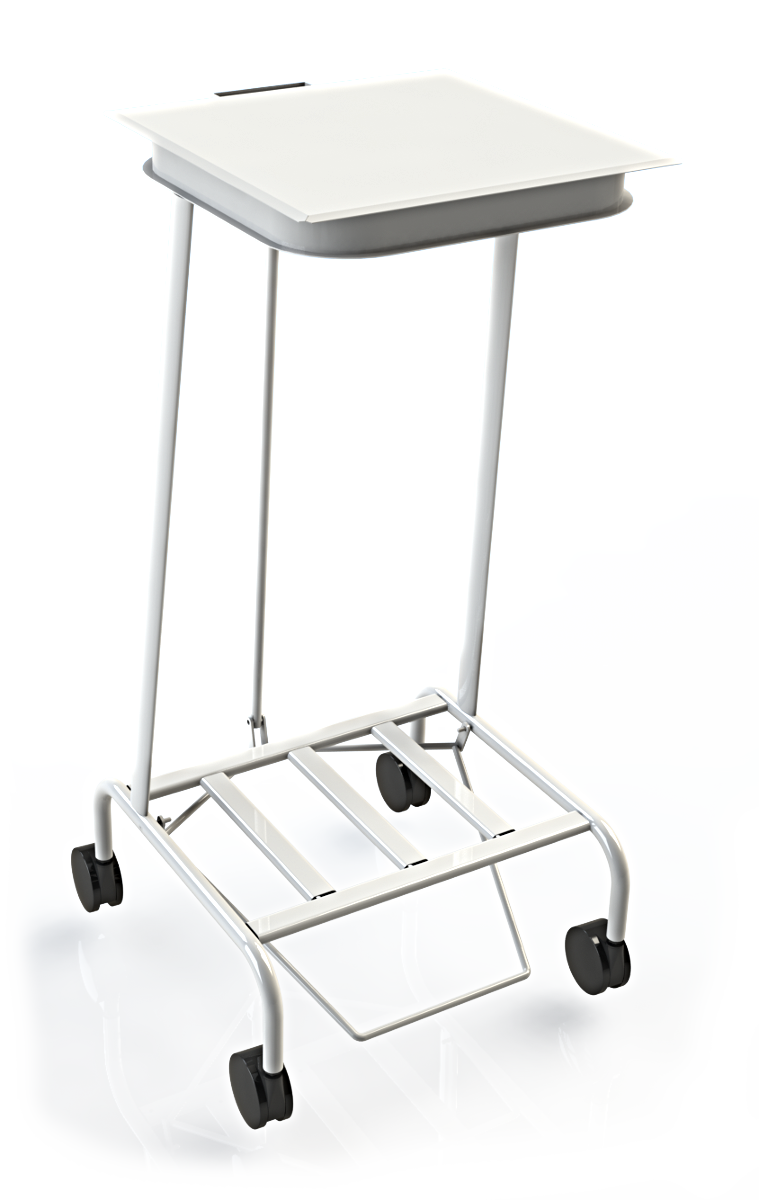
Click for Garbag Waste Trolleys - Soiled Linen Bags

- Moist Linen Trolleys
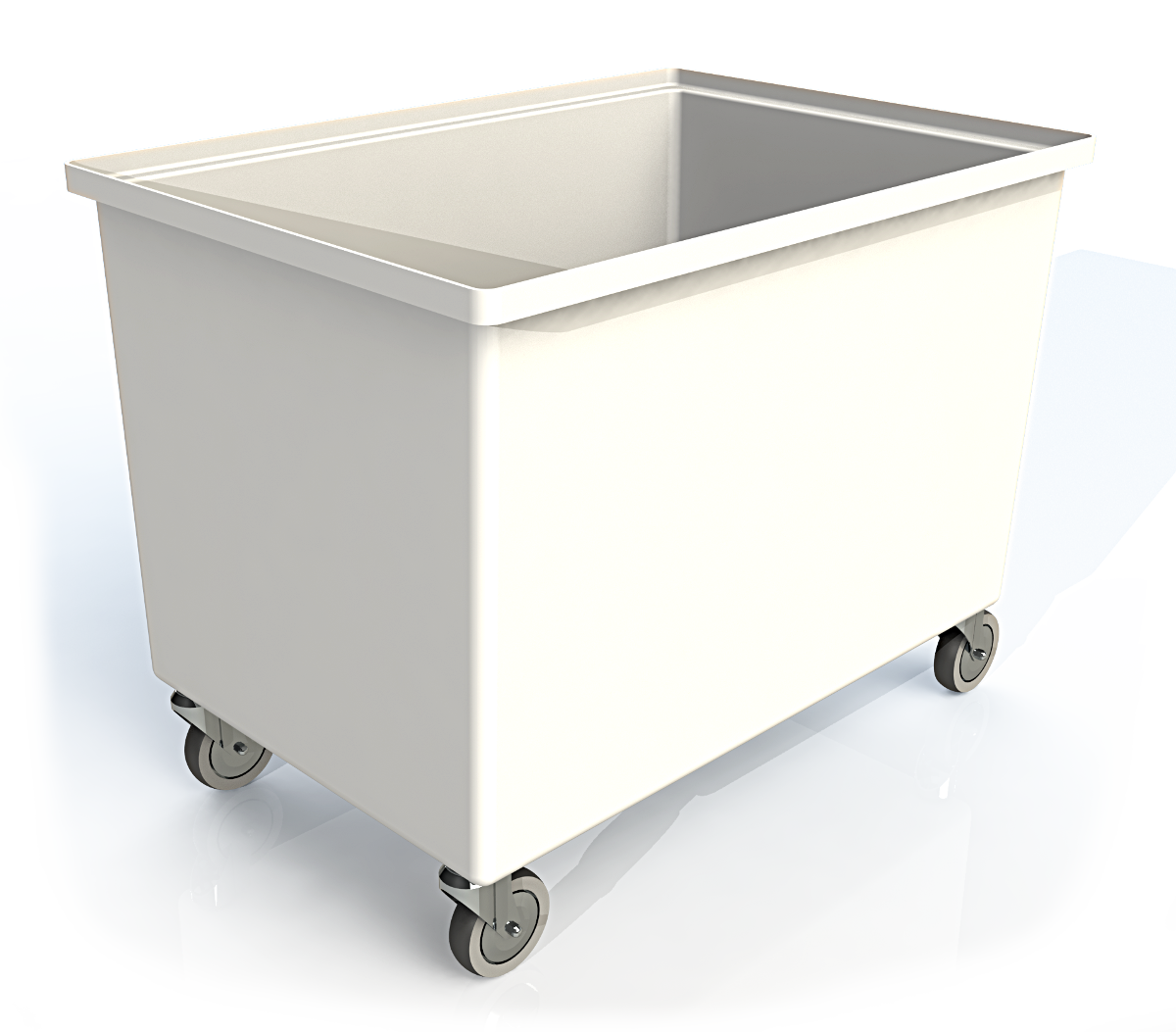
Click for 4H Moist Laundry Trolleys - 4H Wet & Dry Laundry Trolleys
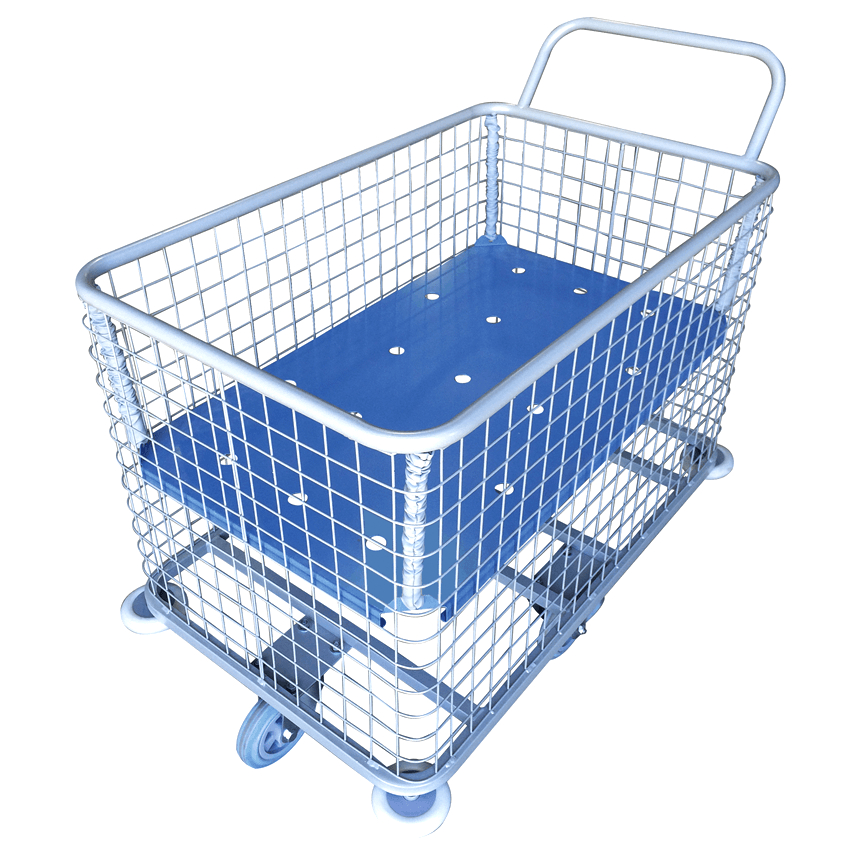
Click for 4H Wet & Dry Laundry Trolleys - Clean Linen Trolleys
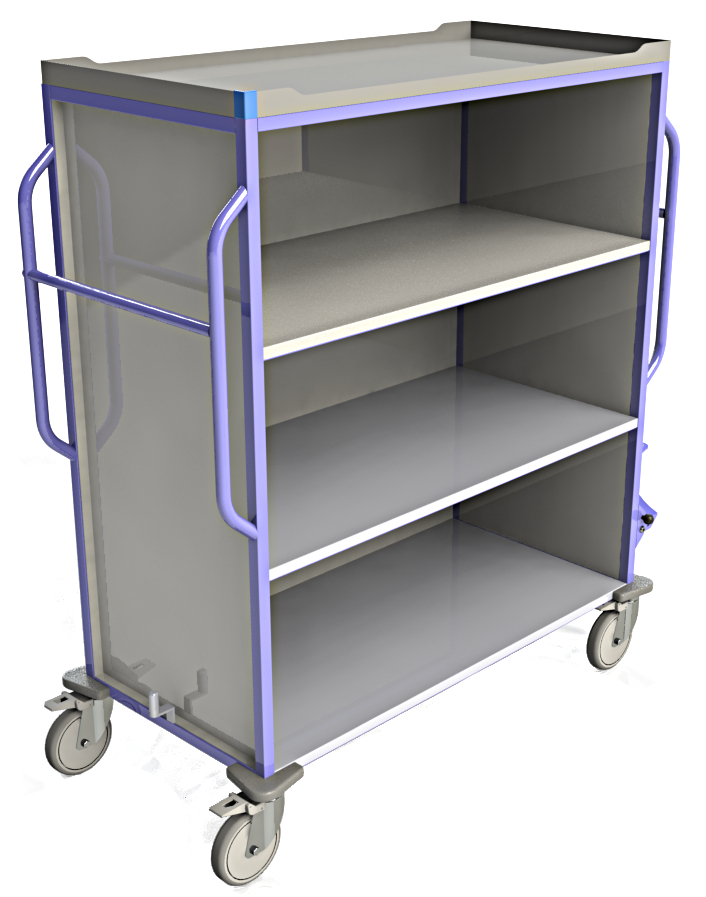
Click for Clean Linen Trolleys - Garment Dispensing Basket Trolleys

Click for Garment Dispensing Trolleys - Garment Trolley
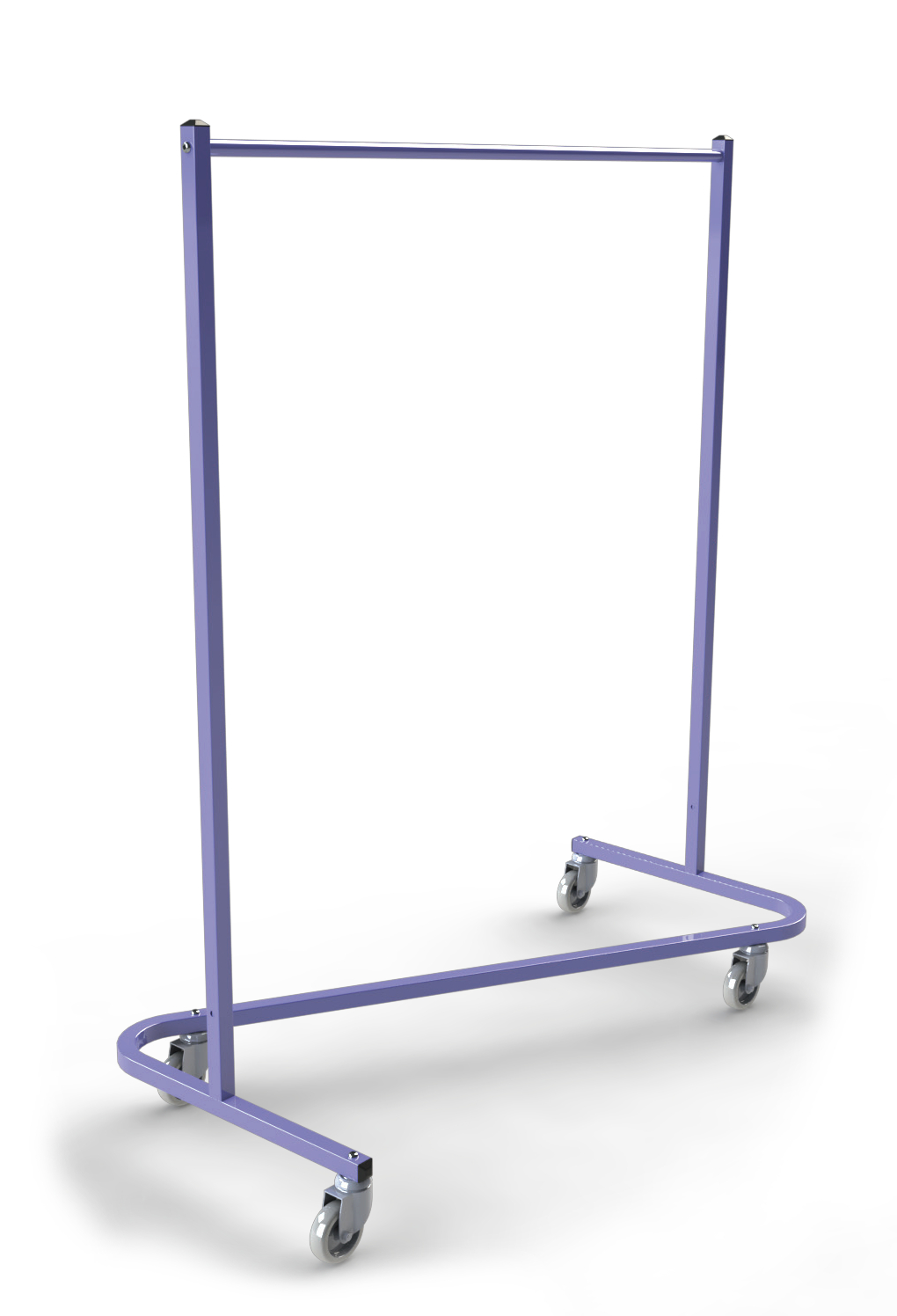
Click for Garment Trolley - Delivery and Storage Trolleys
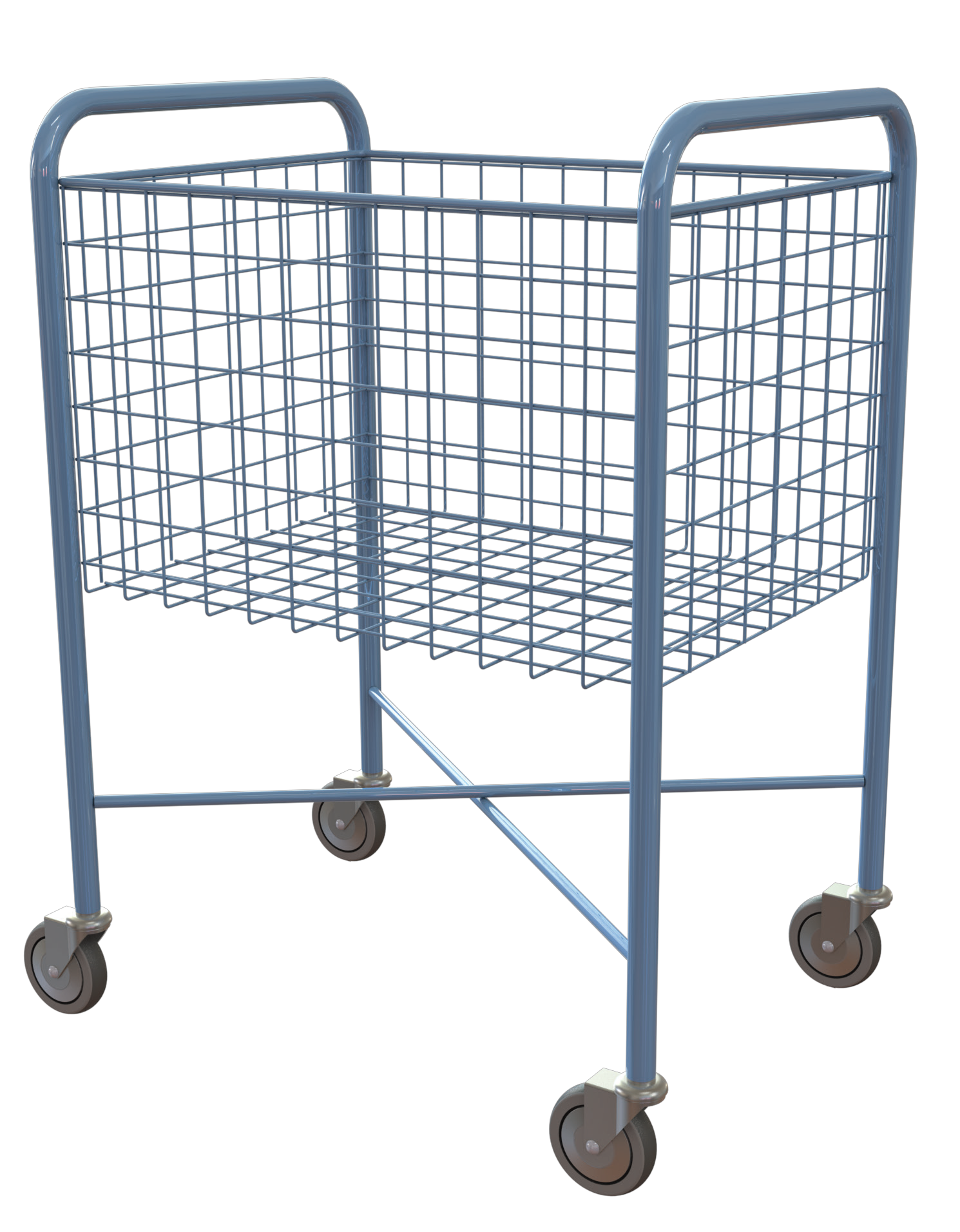
Click for Stock Trolleys
- Soiled Linen Trolleys (Skips)
- Bathroom
- Shower Stools
Click for Shower Stools - Grab Rails
- Wall Mounted Shower Seats
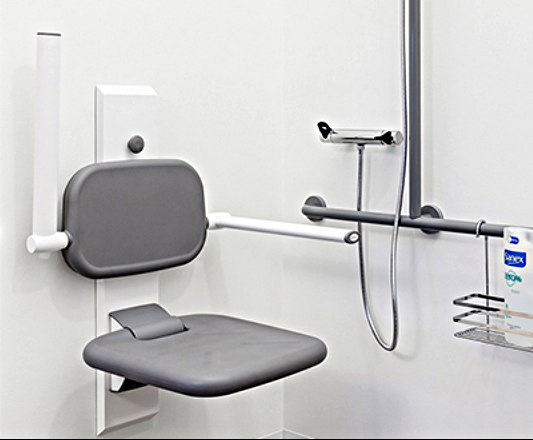
Click for Wall Mounted Shower Seat - Shower Transfer Benches
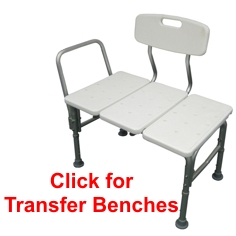
- Toilet Support Arms
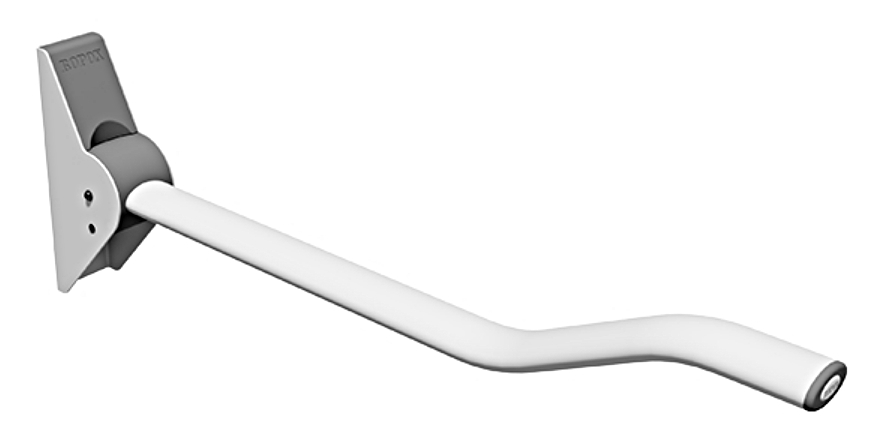
Click for Support Arms - Tilting Mobile Shower Commode
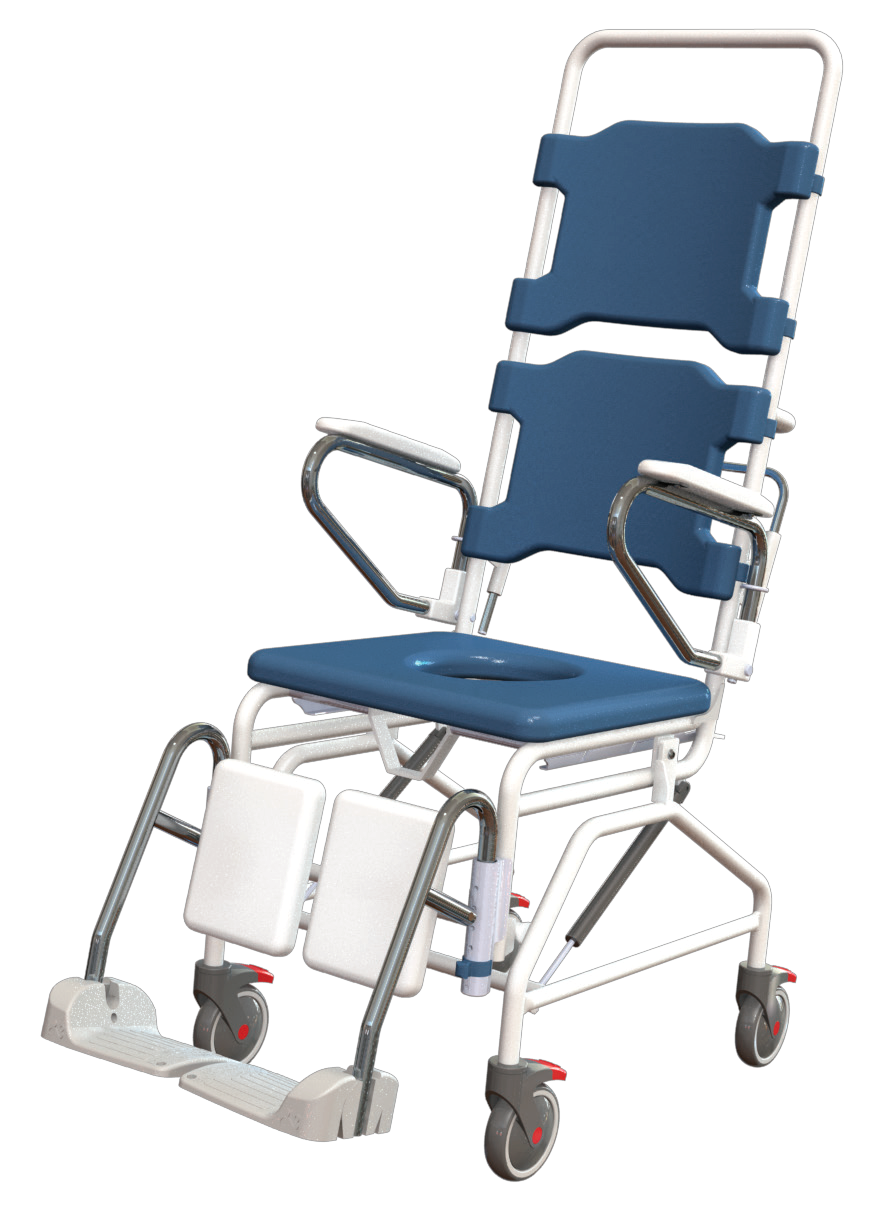
Click for Tilting Shower Commode - Mobile Shower Commode Chairs

Click for Mobile Shower Commode - Self Propelling Mobile Shower Commode Chairs
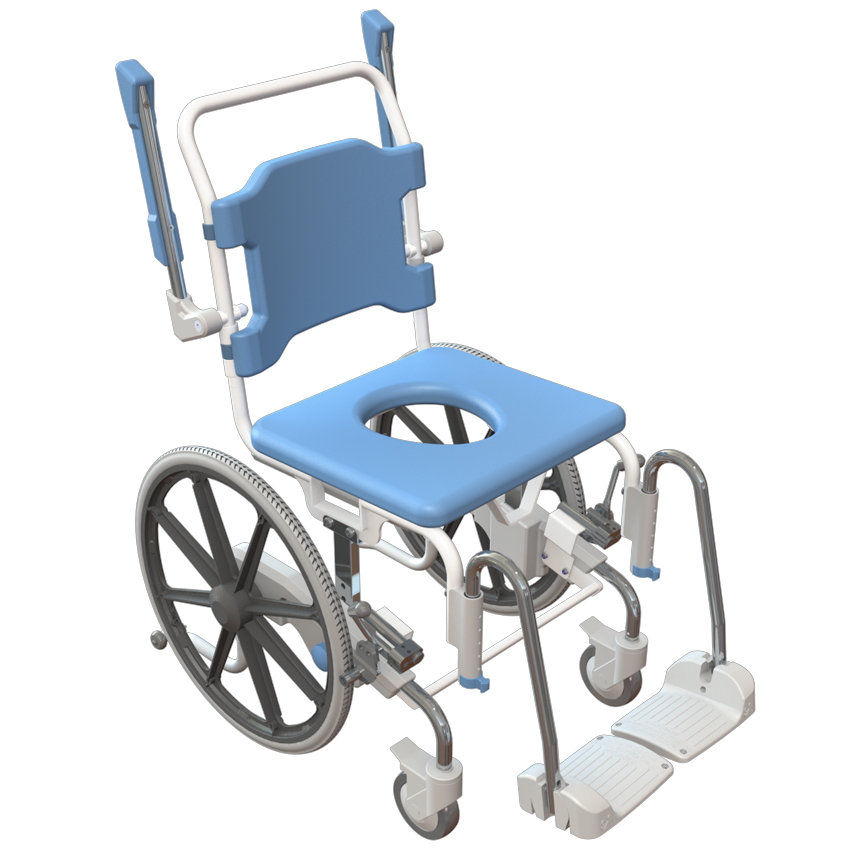
Click for Self Propelling Shower Commode - Mobile Shower Commodes Seats
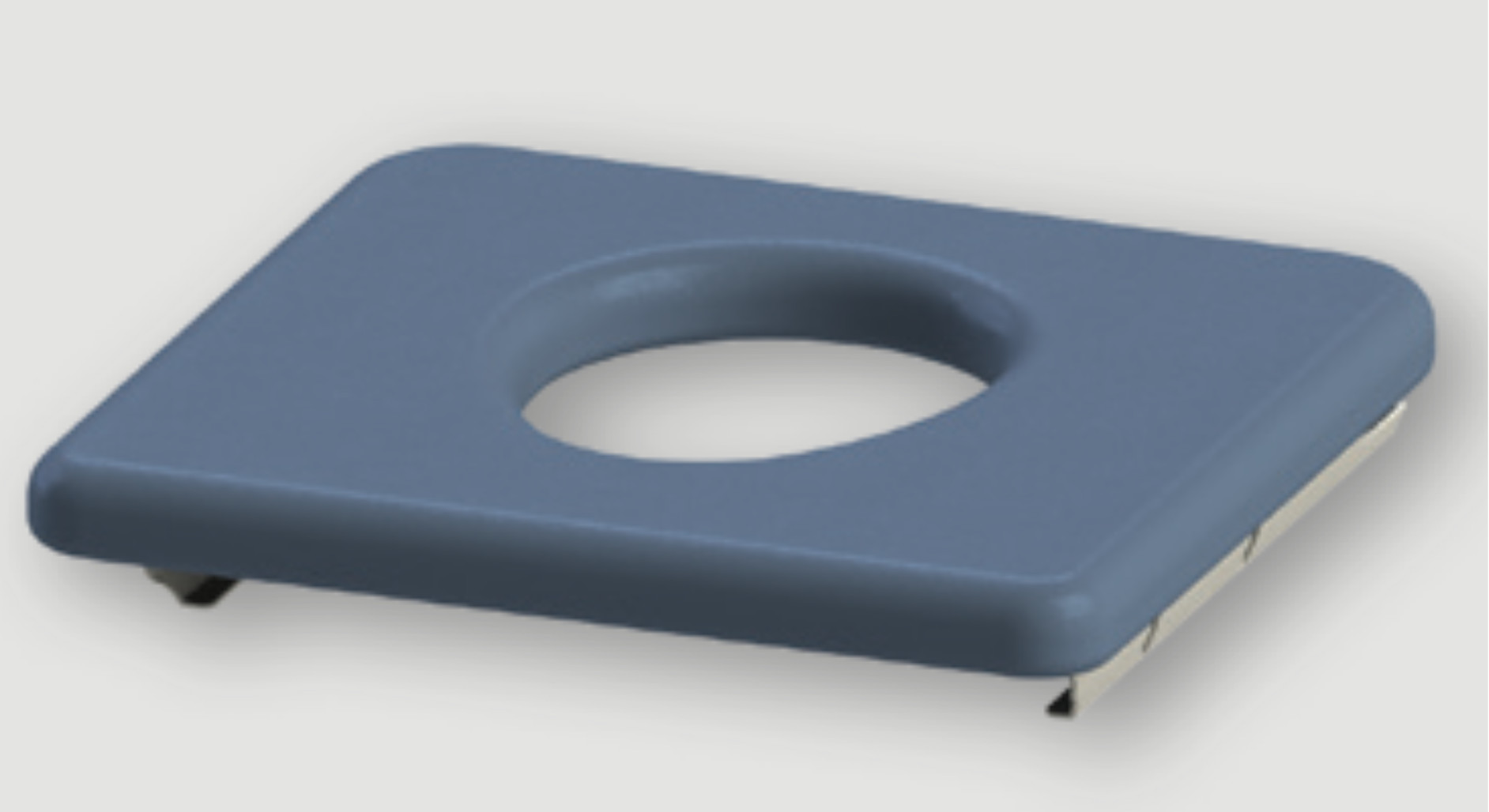
Click for Mobile Shower Commodes Seats - Etac Shower Commode Chairs
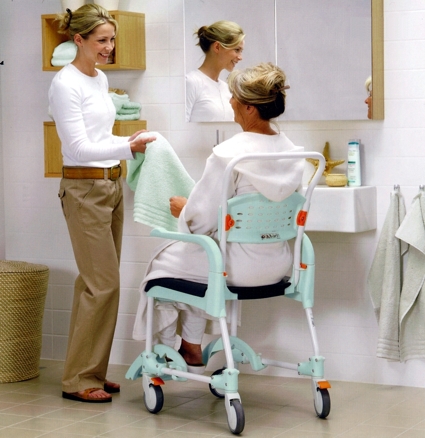
Click for Etac Shower Commode - Shower Trolleys (Bath Beds)
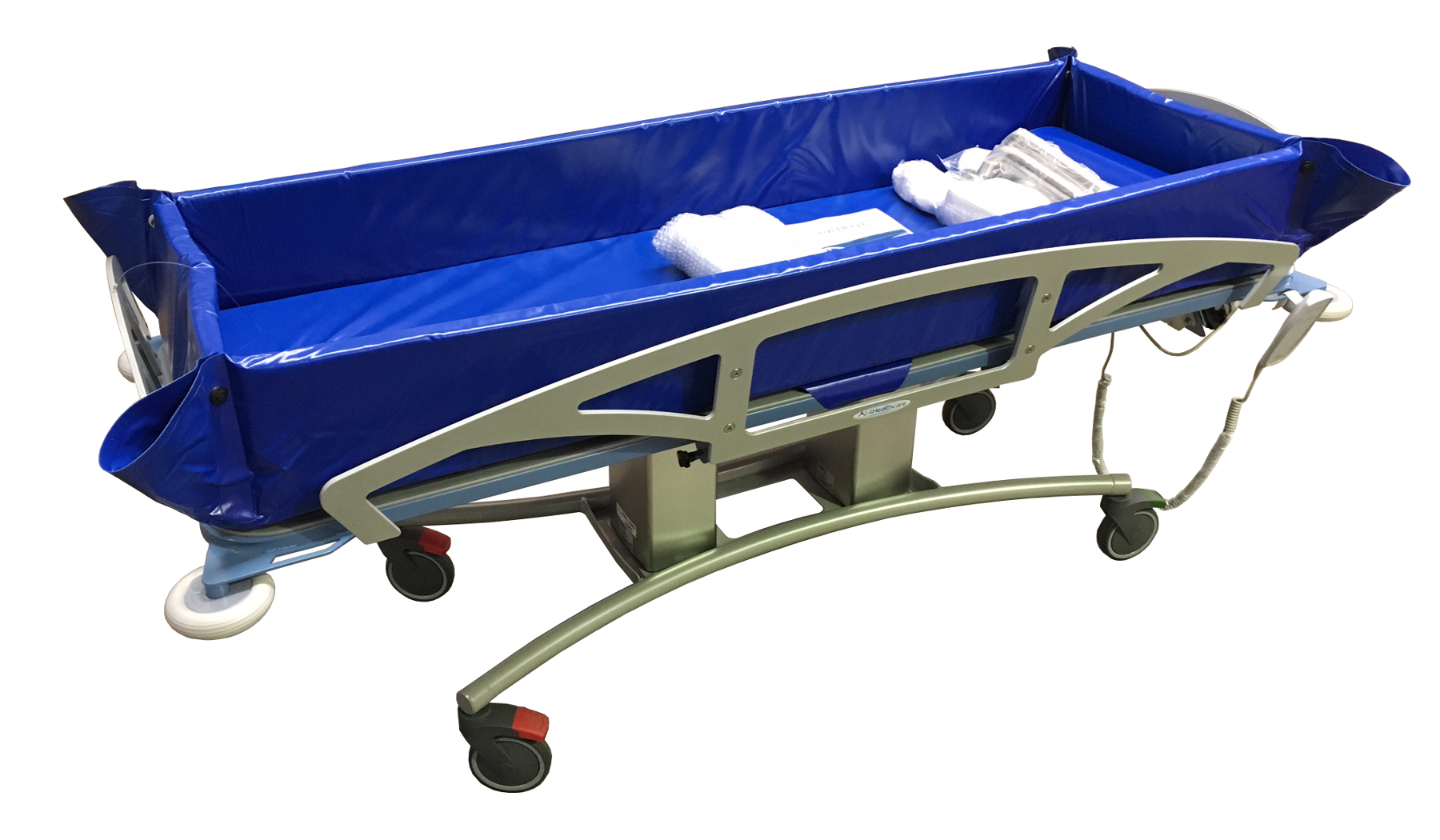
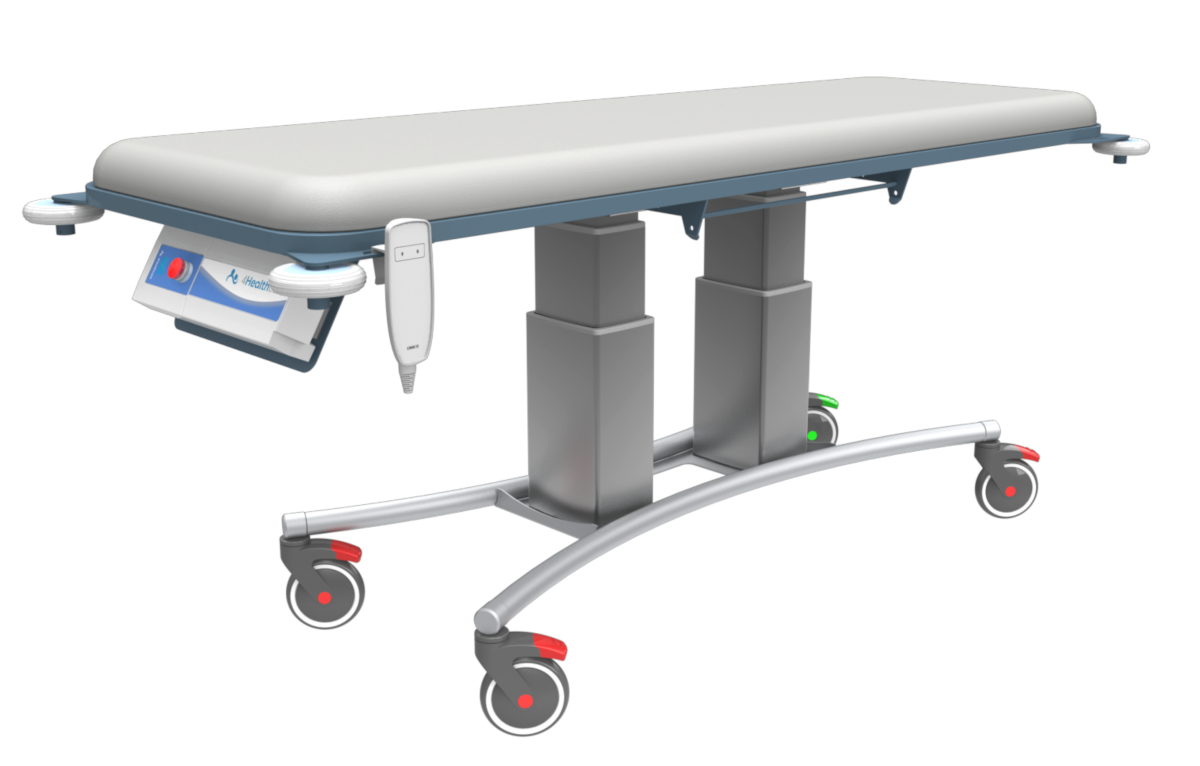
Click for Shower Trolley - Mobile Change Tables
Click for Mobile Change Table - Wall Mounted Change Tables
- Shower Stools
- Kitchen – Dining Room
- Toilet
- Handling
- Hoists ⁄ Lifters
- Ceiling⁄Overhead Track Hoist
- GH3 Rail System Overview
Click for GH3 Rail
System Overview - Ceiling Hoist Free Standing System
- Guldmann Hangers, Scales
Click for Guldmann Lifting Hangers - Homecare Hoist
Click for Homecare Hoist - Patient Hoist
Click for Patient Hoist - Institution Patient Hoist
Click for Patient Hoist - Bariatric Patient Hoist
Click for Bariatric Hoist - Patient Standing Hoists
- Pool Hoist
- Patient Lifter Slings
- Ceiling⁄Overhead Track Hoist
- Patient Handling
- Patient Seating
- Chairs with High Back
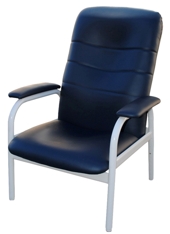
Click for High Back Chairs - Chairs with Low Back
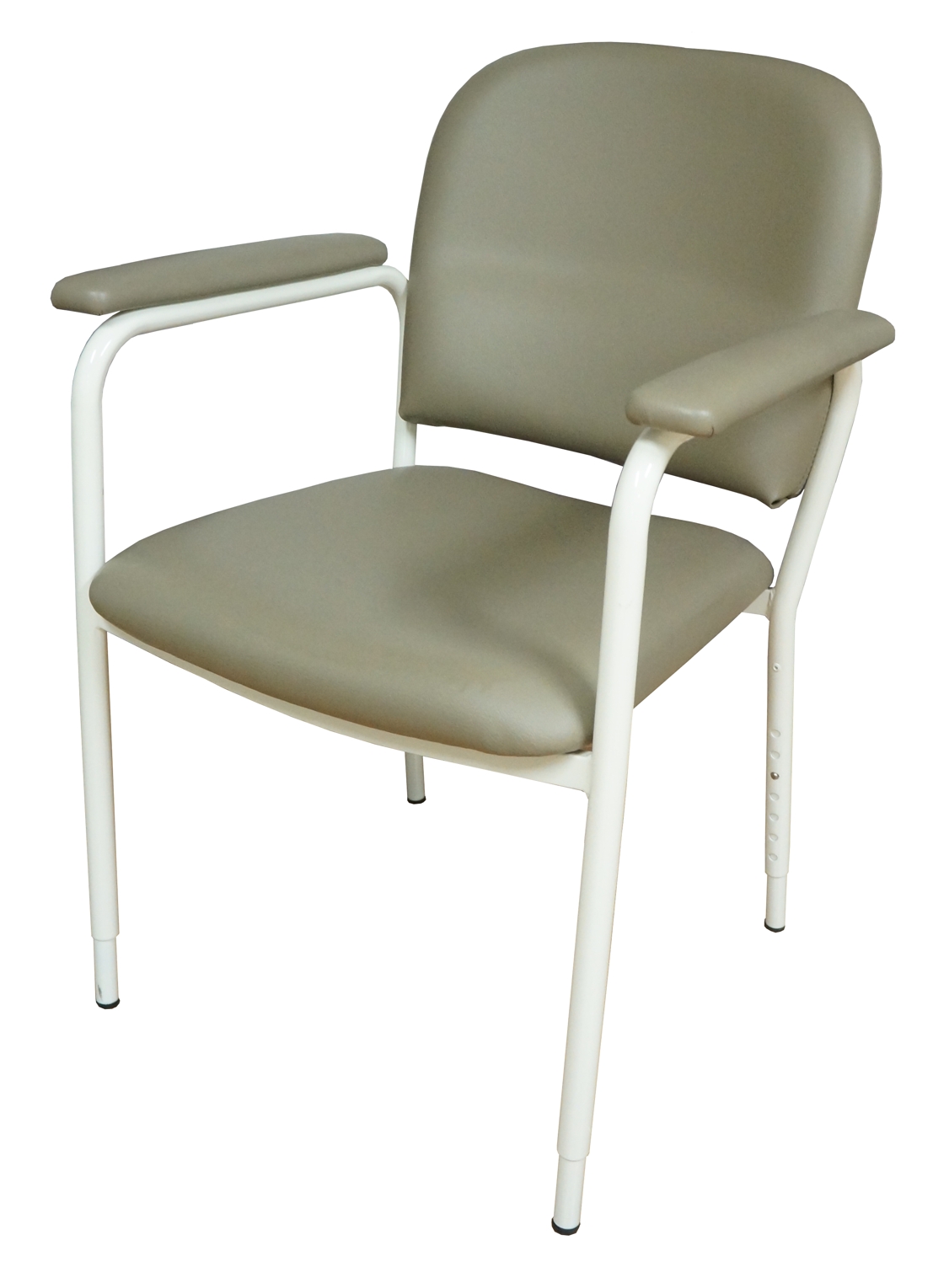
Click for Low Back Chairs - Burmeier Mobile Chairs
- Chairs with Castors
- High Back Recliners Day Chairs
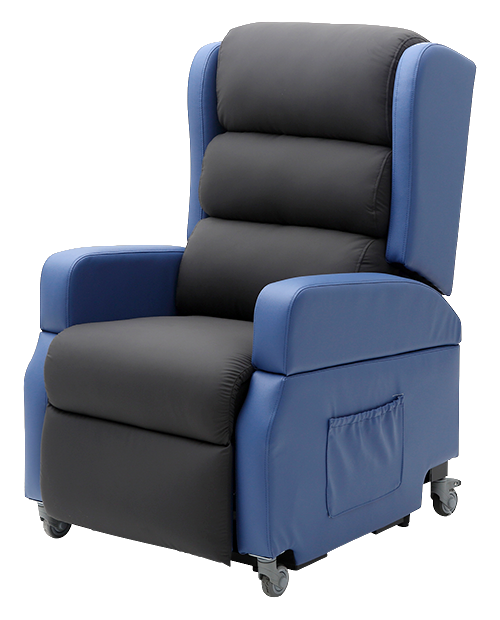
Click for Recliner Chairs - Dining Chairs

- Lift Recline Chair
Click for Lift ⁄ Recliner Chairs - Footrests & Legrest
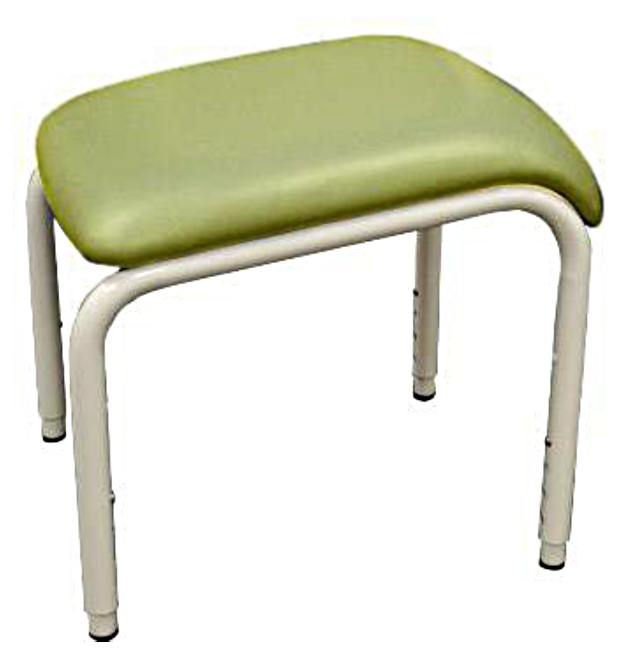
Click for Footstool - Overbed Tables
- Alternating Pressure Cushion
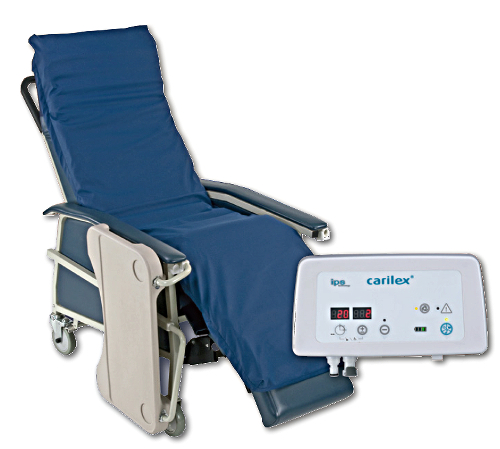
Click for Cari Chair Cushion System - Comfort Foam Cushion
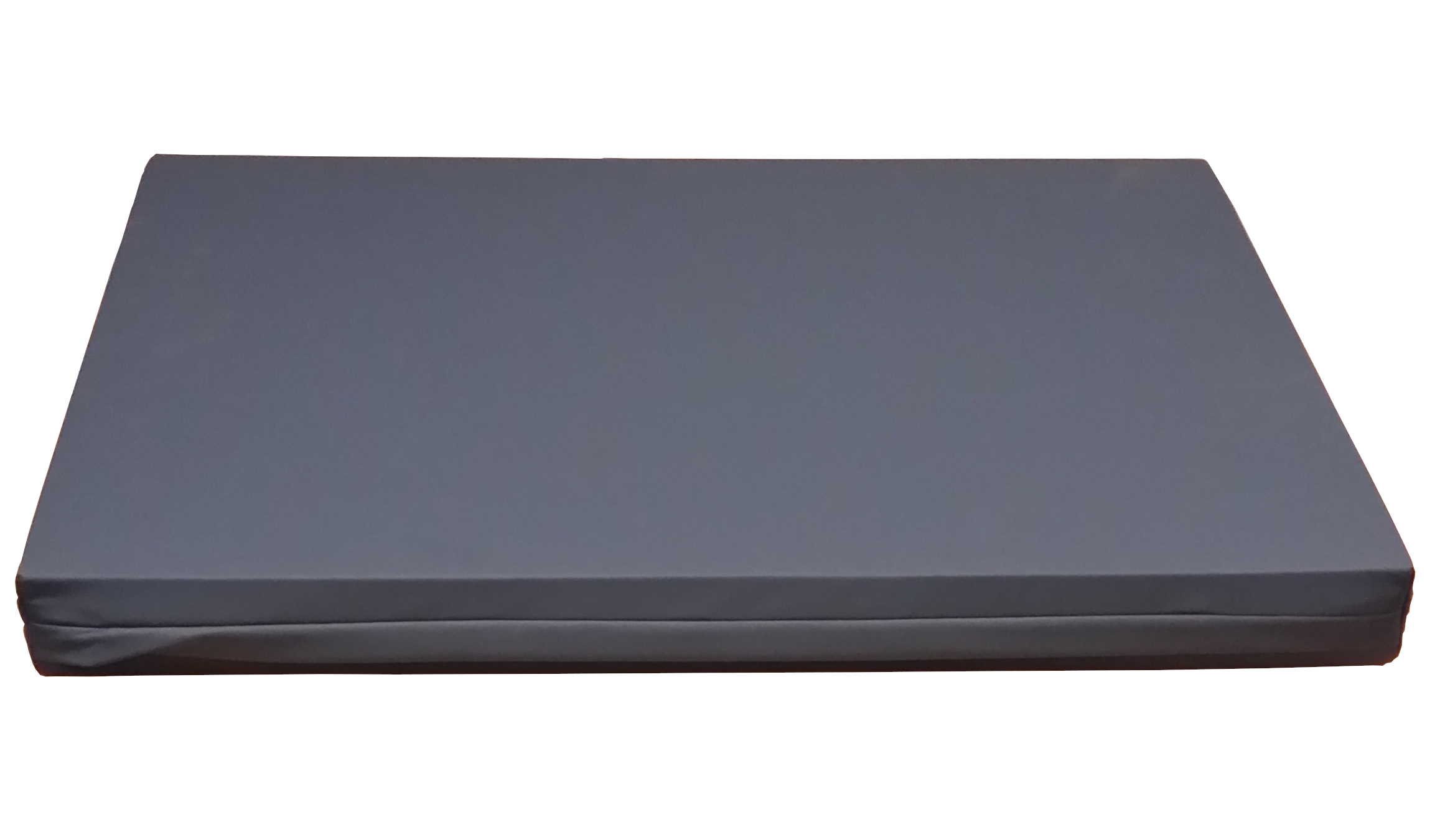
Click for Foam Cushion - Wheelchair Accessory
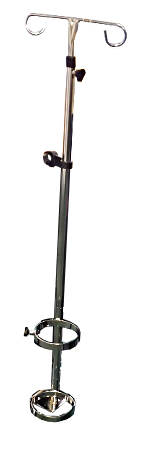
Click for Accessory - Bed ⁄ Chair Raiser System
- Chairs with High Back
- Patient Mobility
- Daily Living Aids
- Hoists ⁄ Lifters
- Beds
- Service & Parts
- Manuals

















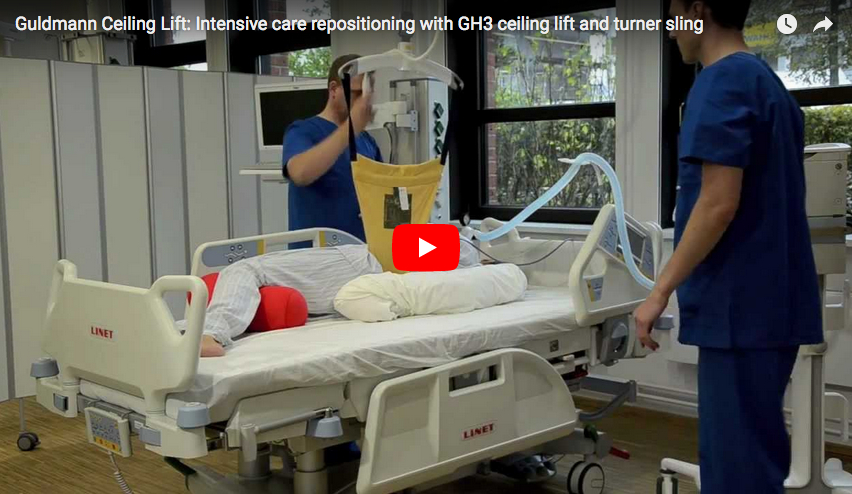
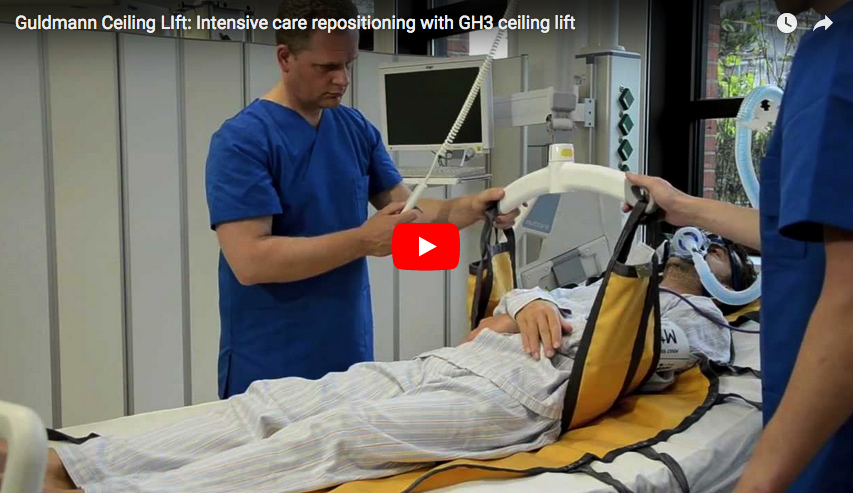
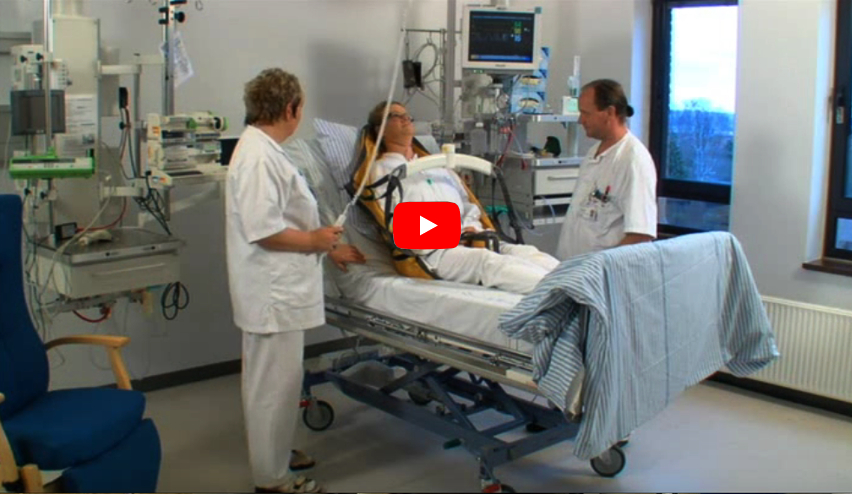
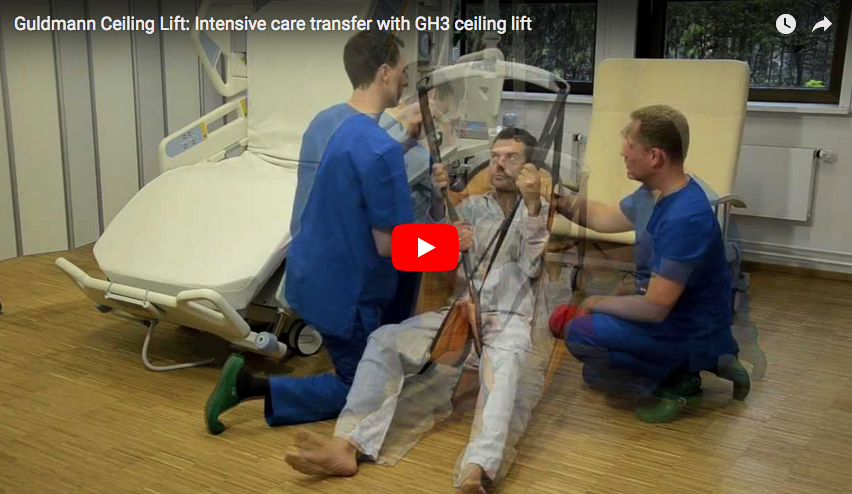
Guldmann Intensive Care
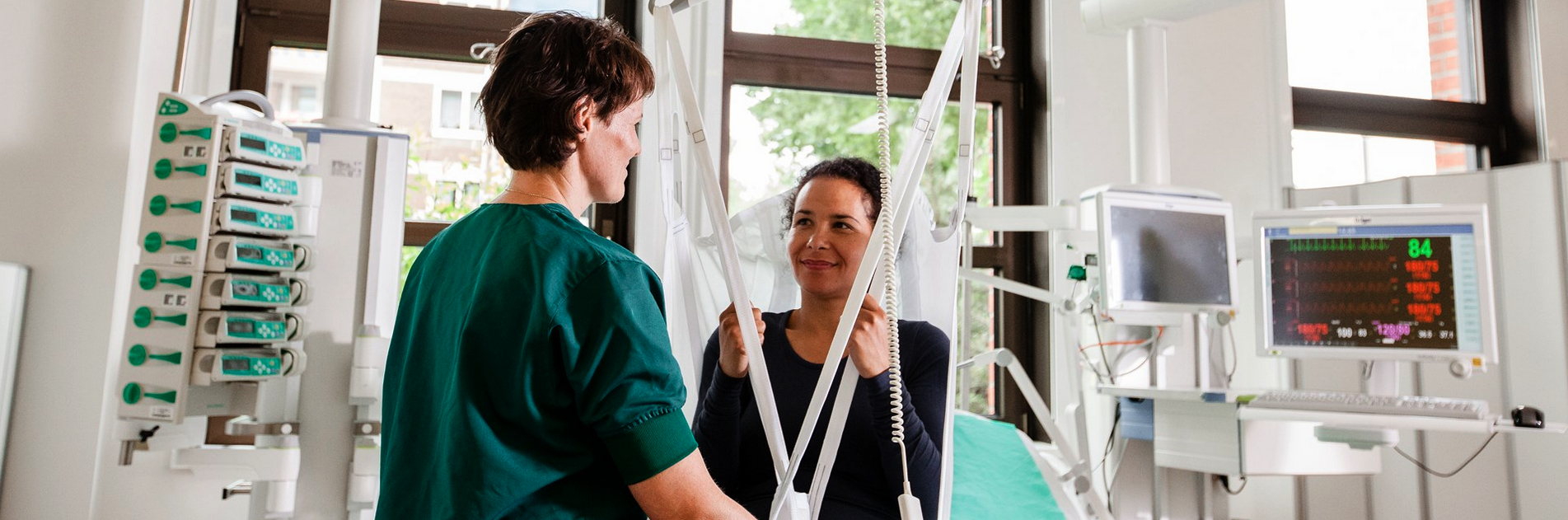
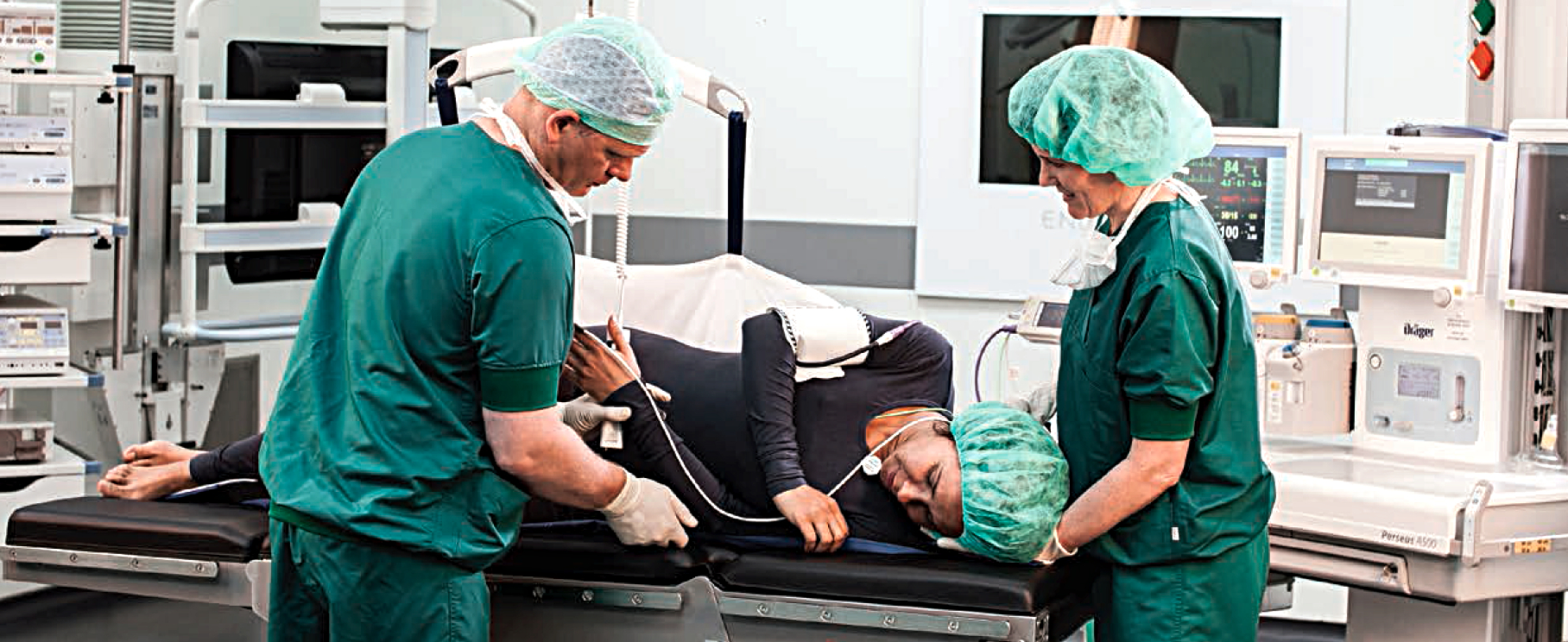
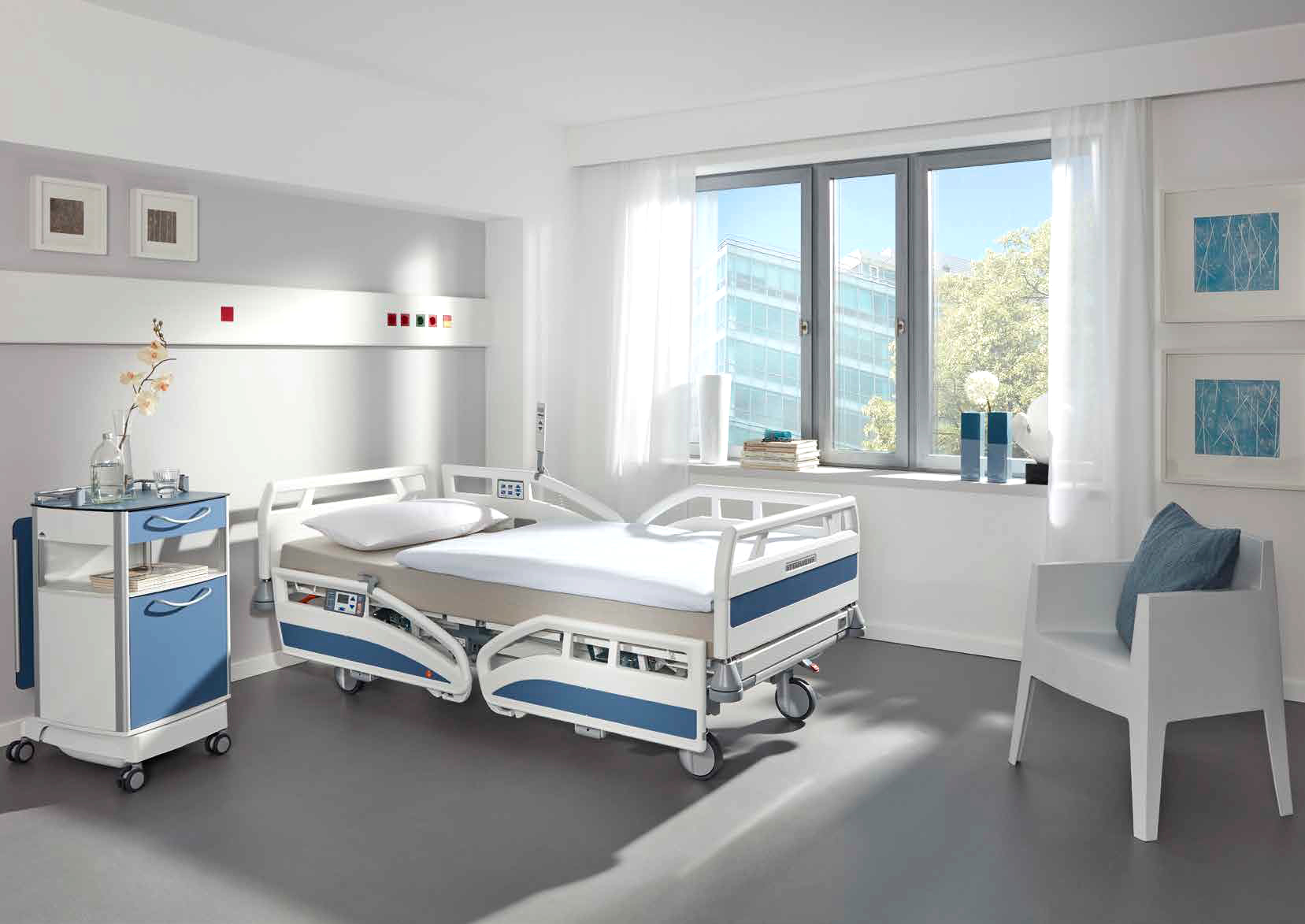
More time to care Staff on intensive care wards are regularly confronted by busy, unpredictable work situations,
which can increase the risk of undesirable events for the patient and of work-related injuries for the care staff.
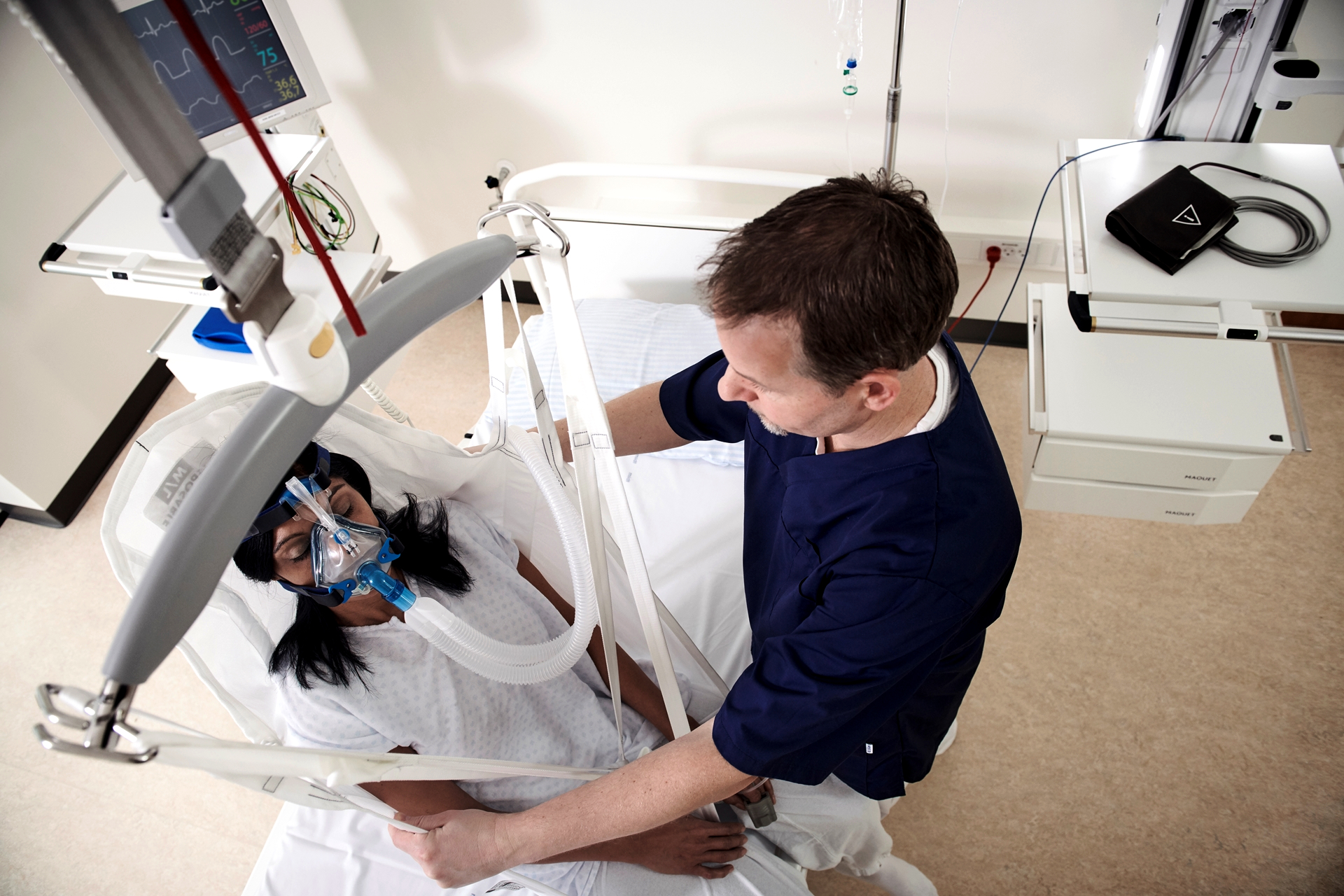
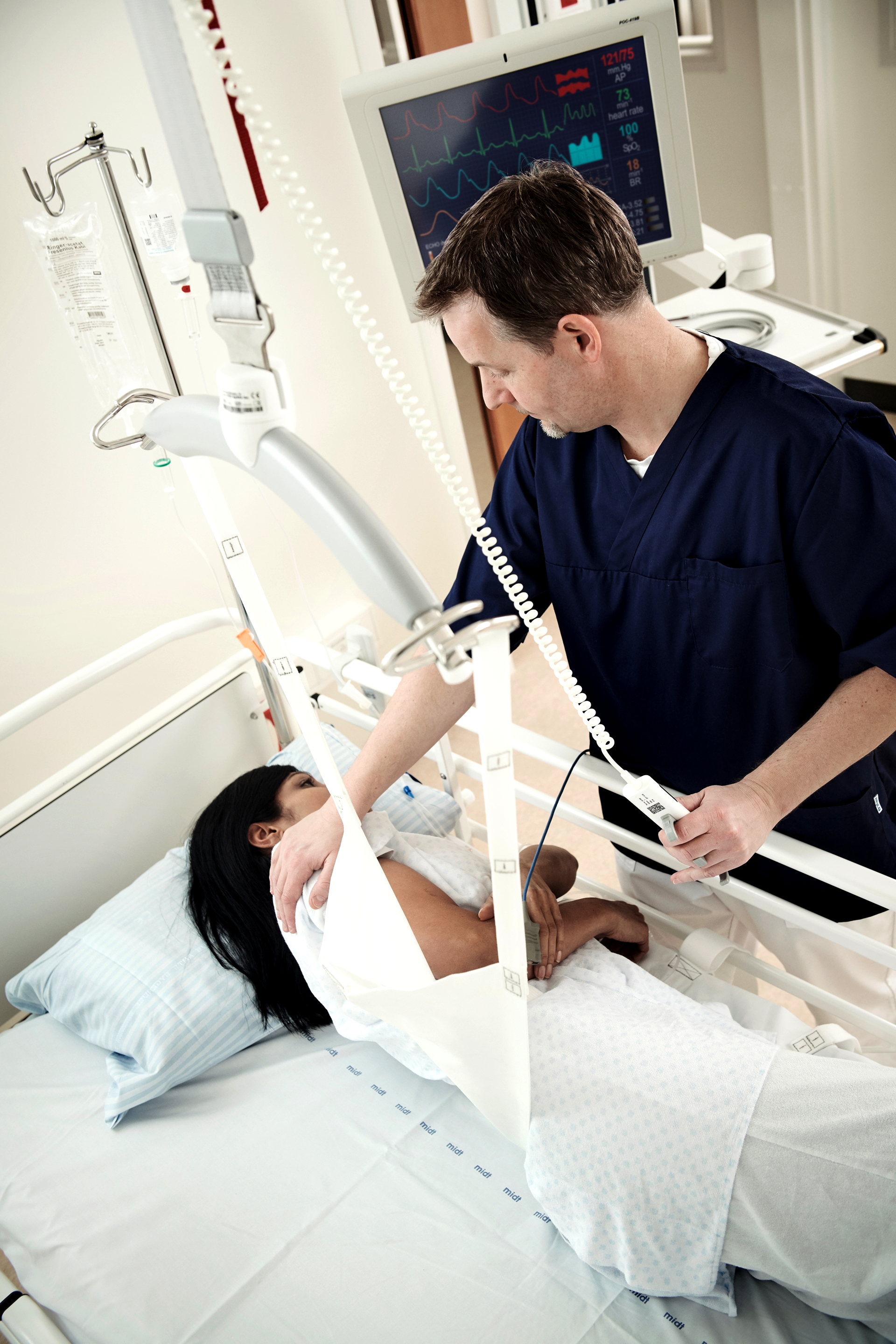
Intensive care wards are reserved for patients suffering from serious illness, and these patients are generally largely immobile with little functional capacity.
In addition, they have often been intubated or connected to a respirator and ⁄ or an IV line, as well as other monitoring and intervention equipment.
What is more, they are often under anaesthetic or on other medication that might leave them frightened, confused or delirious.
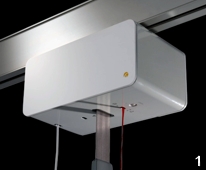
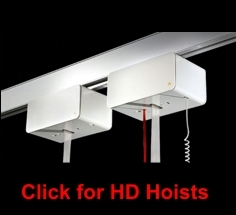
1. GH3+ ceiling hoist, 250–350 kg
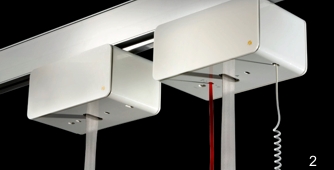
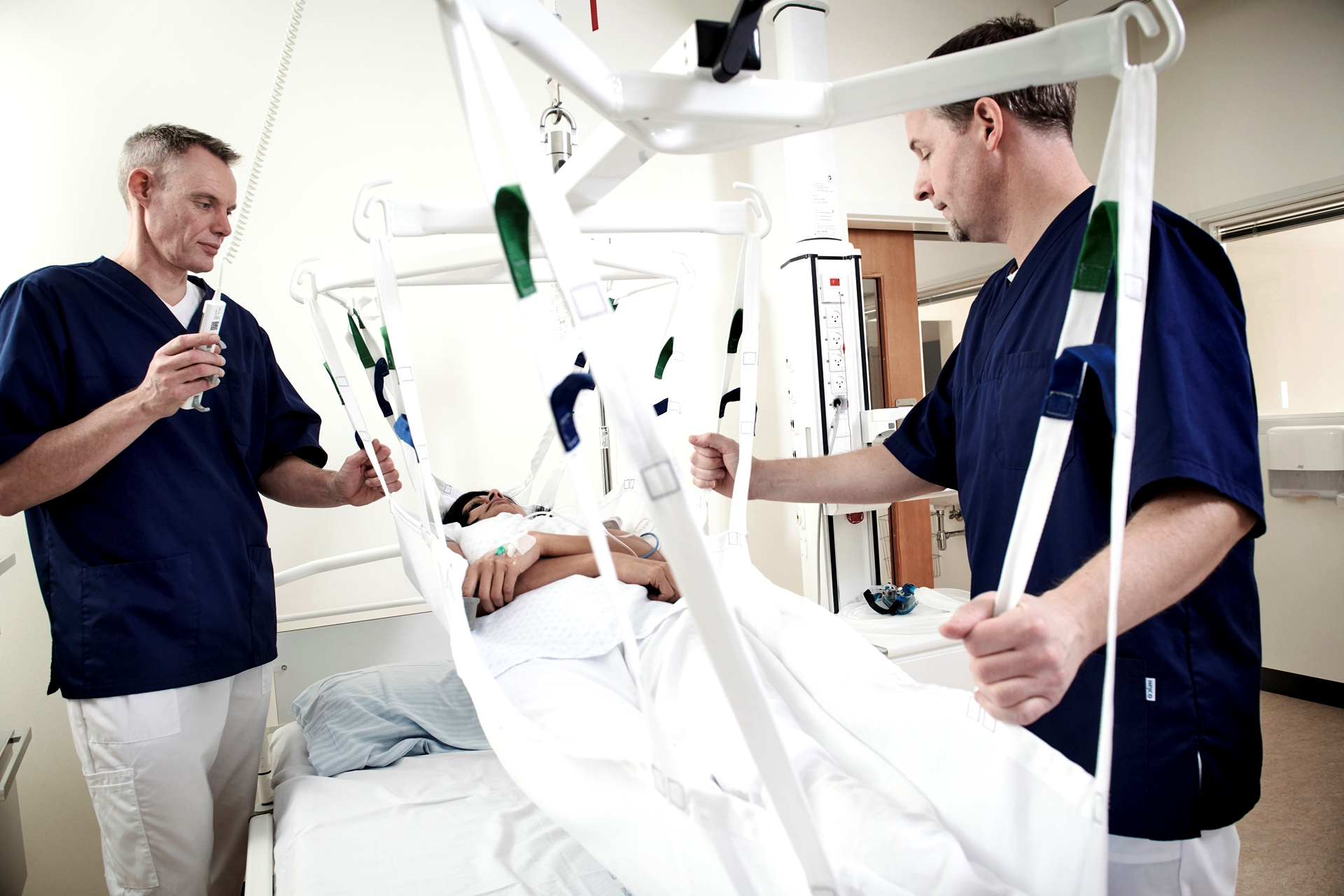
2. GH3 Twin ceiling hoist, 250 or 500 kg
3. Leg sling
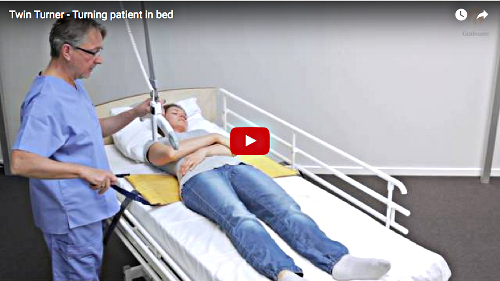
Suitable for: 4. Twin Turner
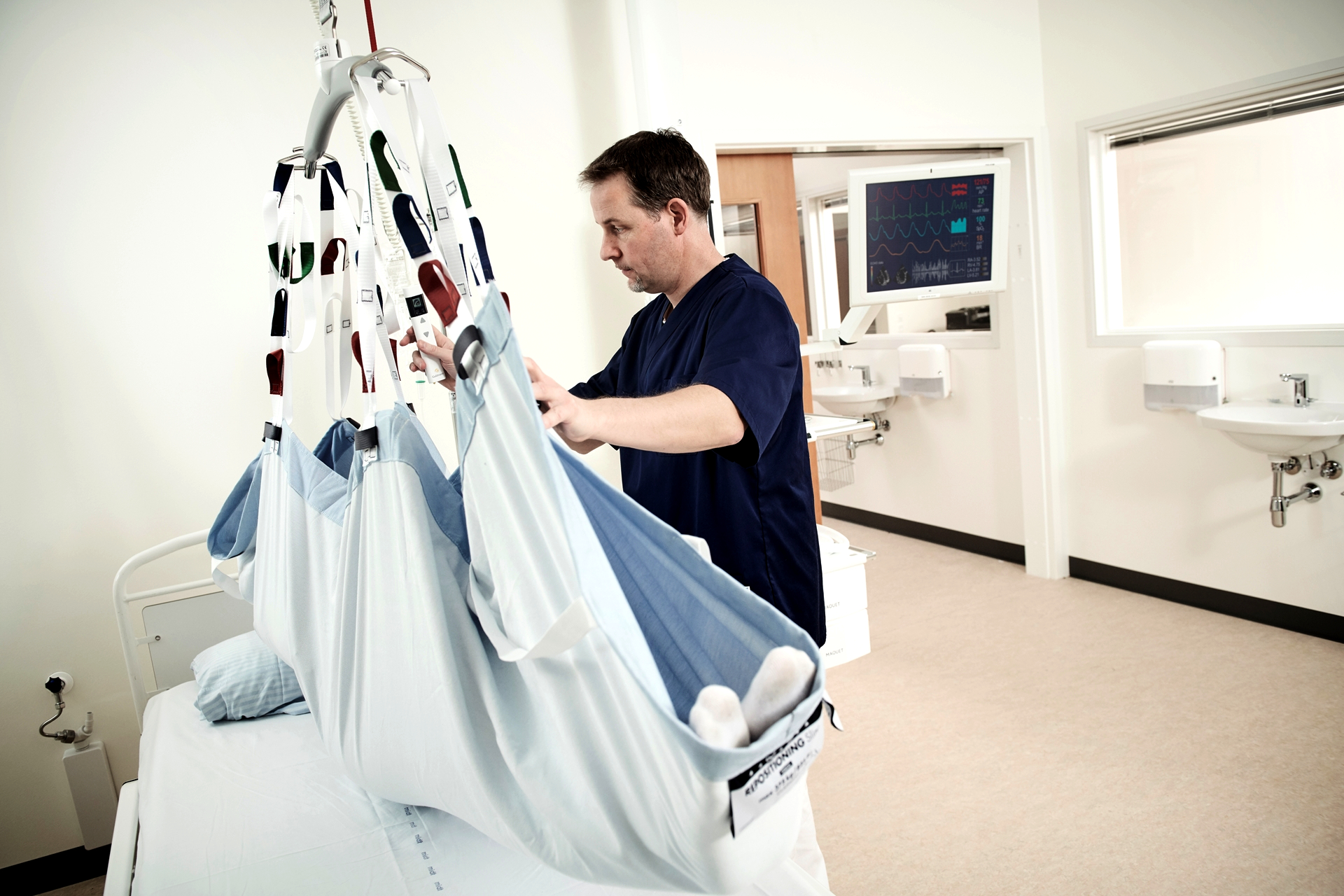
Suitable for: 5. Repositioning sling – 500 kg
Suitable for: 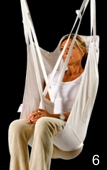
6. Disposable High sling
Suitable for: 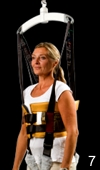
7. Active Trainer
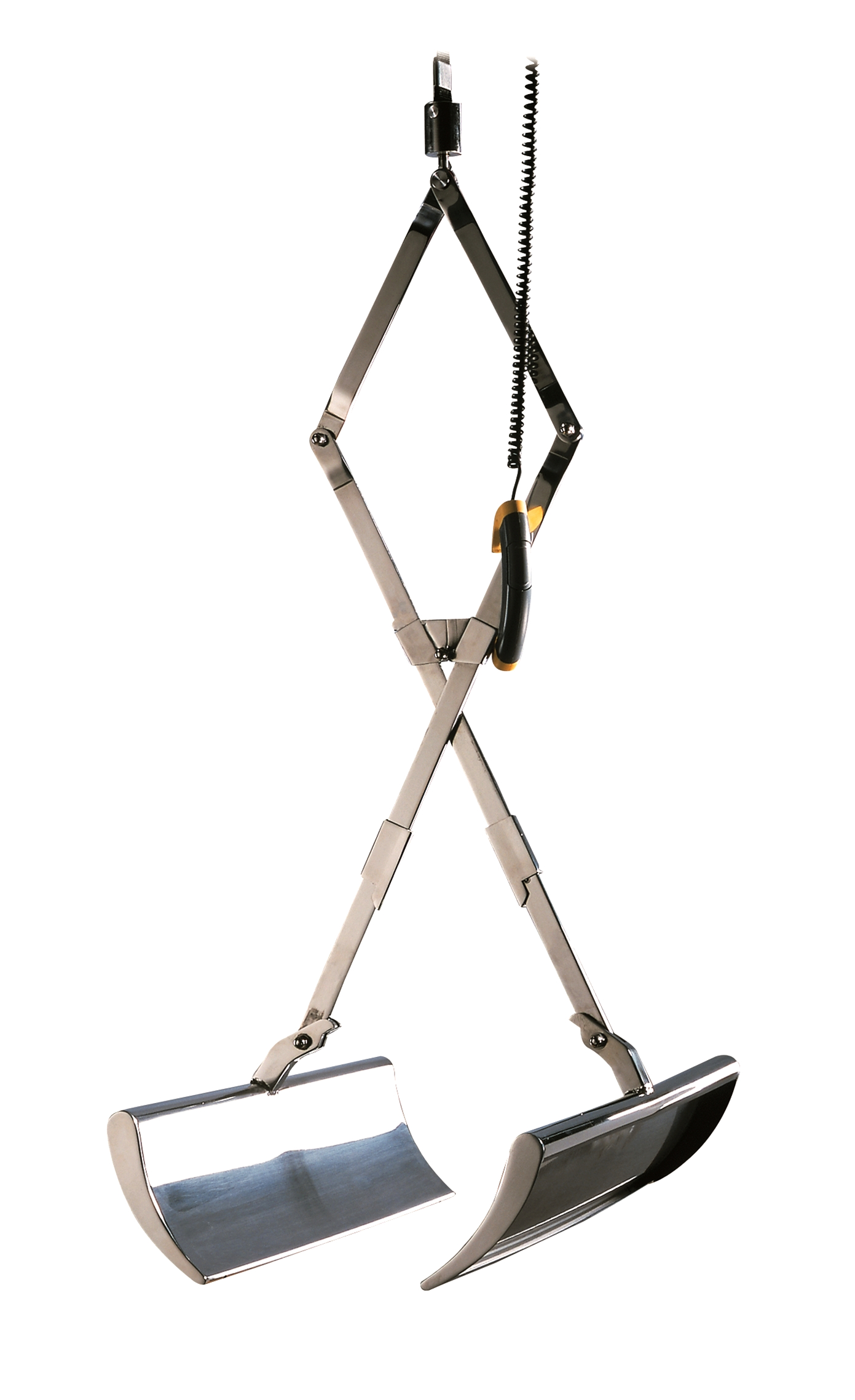
Suitable for: 8. Horizontal lifter – telescopic
Click here for brochure 
 Return to top of page Return to top of page
|



 Click here to enquire about the Guldmann Intensive Care Hoist Systems & Accessories.